
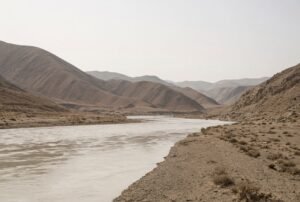
Pakistan’s Water Diplomacy: Treaty Rules for India, Silence on Afghanistan’s Rivers
From the Indus Waters Treaty to Afghanistan’s rivers, Pakistan’s contradictory positions expose the political motivations behind its diplomatic campaign. By...
From the Indus Waters Treaty to Afghanistan’s rivers, Pakistan’s contradictory positions expose the political motivations behind its diplomatic campaign. By...

The conquered city, the language that remains By Ivan Pozzoni The history of Wasef Bakhtari makes it possible to formulate...

"Many Afghans remain psychologically tied to Afghanistan long after migration." At the 13th From Kabul to Vienna integration festival held this July...
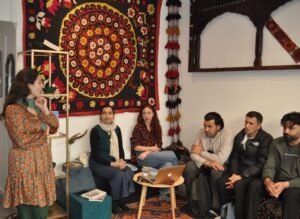
How much of Afghan culture should be preserved abroad? How should traditions adapt to life in a new country? What...

Diaspora communities should use the opportunities available in their countries of residence and support one another. By Kazim Jafari In a...
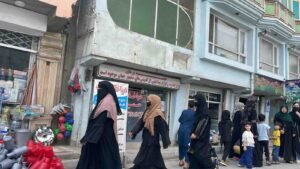
Exile does not represent the end of Afghan writing; it is the transition of testimony from the national territory to...

“I want to learn the language and do vocational training. I want to build a future.” At 18, Keramat Khan...
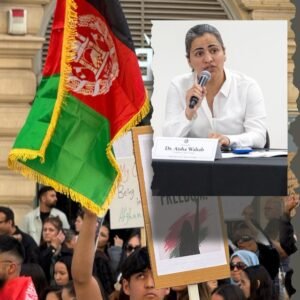
“We are one people… it does not matter if you’re Hazara, Pashtun, Shia, Sunni, American‑born or European‑born.” By Kazim Jafari In...

"Kuchnay Kabul reminds us of big Kabul, our capital. It reminds us of our love for our home country.” When...
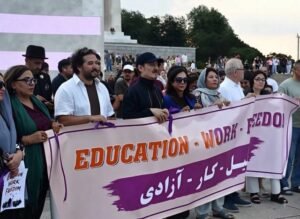
“Afghanistan should not be forgotten, and Afghan women should not be left alone.” Five years after the Taliban seized Kabul...