Khyber Pakhtunkhwa Counts the Cost of the Afghan Exodus
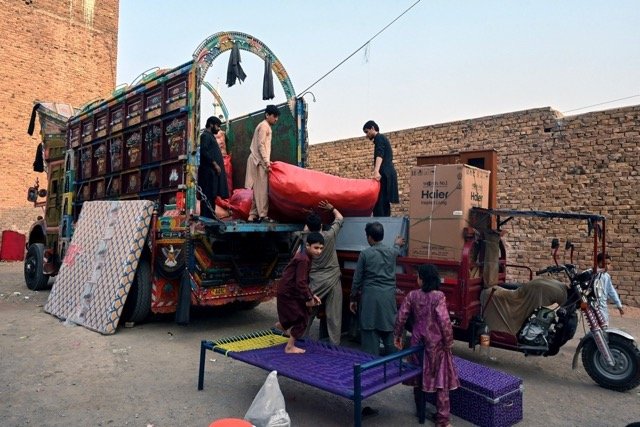
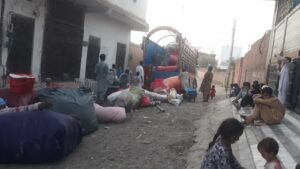
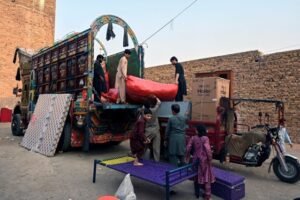
Moving Afghan refugees in Khyber Pakhtunkhwa, Pakistan. Photo:@Jabarkhail for ADN
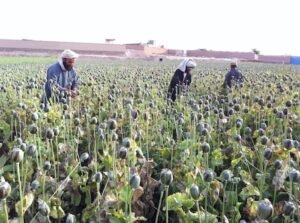
For decades, Afghans constituted a substantial share of KPK’s informal labor force in construction, agriculture, small trade, and cross-border commerce.
More than 2.5 million Afghans have left Pakistan since late 2023. The majority crossed through Khyber Pakhtunkhwa. Sahal Nawaz’s article, “The Price of Return: Economic and Governance Impacts of Afghan Repatriation in Khyber Pakhtunkhwa, 2023–2026” (Journal of Regional Studies Review) examines the economic and governance consequences of this departure for the province that has hosted the largest share of Afghan refugees for more than four decades.
The article’s central contribution is its use of recent UNHCR and IOM data to quantify the scale of the movement. KPK accounts for 53.1 percent of Pakistan’s registered Afghan refugees, yet an estimated 89 percent of returns under the Illegal Foreigners Repatriation Plan have passed through its two main crossings, Torkham and Ghulam Khan.
Nawaz calculates that roughly 2.36 million people left via these routes by August 2026. The flows tracked policy phases closely: sharp increases followed the initial order against the undocumented, and further rises accompanied the later inclusion of Afghan Citizen Card and Proof of Registration holders. The October 2025 clashes along the Durand Line introduced an additional disruption, closing commercial traffic for extended periods.
For decades, Afghans constituted a substantial share of KPK’s informal labor force in construction, agriculture, small trade, and cross-border commerce. Their concentrated departure therefore removes both workers and demand.
Earlier studies had associated refugee presence with lower wages in certain urban trades and with high Afghan participation in specific Peshawar markets. Nawaz argues that the reverse flow should generate the opposite pressures—labour shortages and reduced informal trade—while remaining careful not to overstate the evidence currently available.
Labor-force surveys for 2020–21 and 2024–25 show employment and wages in KPK rising and unemployment only marginally higher. These figures, however, end before the peak return year of 2025 and coincide with other major shocks, including the IMF program, high inflation, and the 2022 floods.
Nawaz refrains from attributing the observed labor-market movements solely to repatriation.
Similar caution applies to other channels examined in the article. Historical reports document falling rents in Afghan-concentrated neighborhoods such as Hayatabad during previous repatriations, yet no comparable 2023–2026 price series is presented.
Remittance-supported investment linked to more settled families may also have declined, but the evidence remains limited. On the fiscal side, reduced refugee numbers could ease pressure on some public services; at the same time, prolonged border closures have cut customs revenue and trade. Any net relief, the article concludes, is partial at best.
What the analysis establishes most clearly is KPK’s structural exposure. The province is both a major host and the principal transit corridor. This dual role concentrates both the economic adjustment and the security-related disruptions in its border districts. The recommendations that follow are correspondingly practical: regular monitoring of informal wages and prices, targeted allocation of any savings to the districts that have absorbed the bulk of returns, alignment of future policy announcements with actual border capacity, and improved documentation systems before subsequent phases.
The article does not claim that the consequences are already fully measurable. It demonstrates that the 2023–2026 repatriation is large enough and sufficiently concentrated in KPK that its economic effects cannot be assumed away or inferred from earlier episodes.
A more complete accounting will require post-2025 labor and price data, and more consistent provincial breakdowns of returns.