Afghan Women Mobilize in Urgent Campaign to Protect Detained Activist
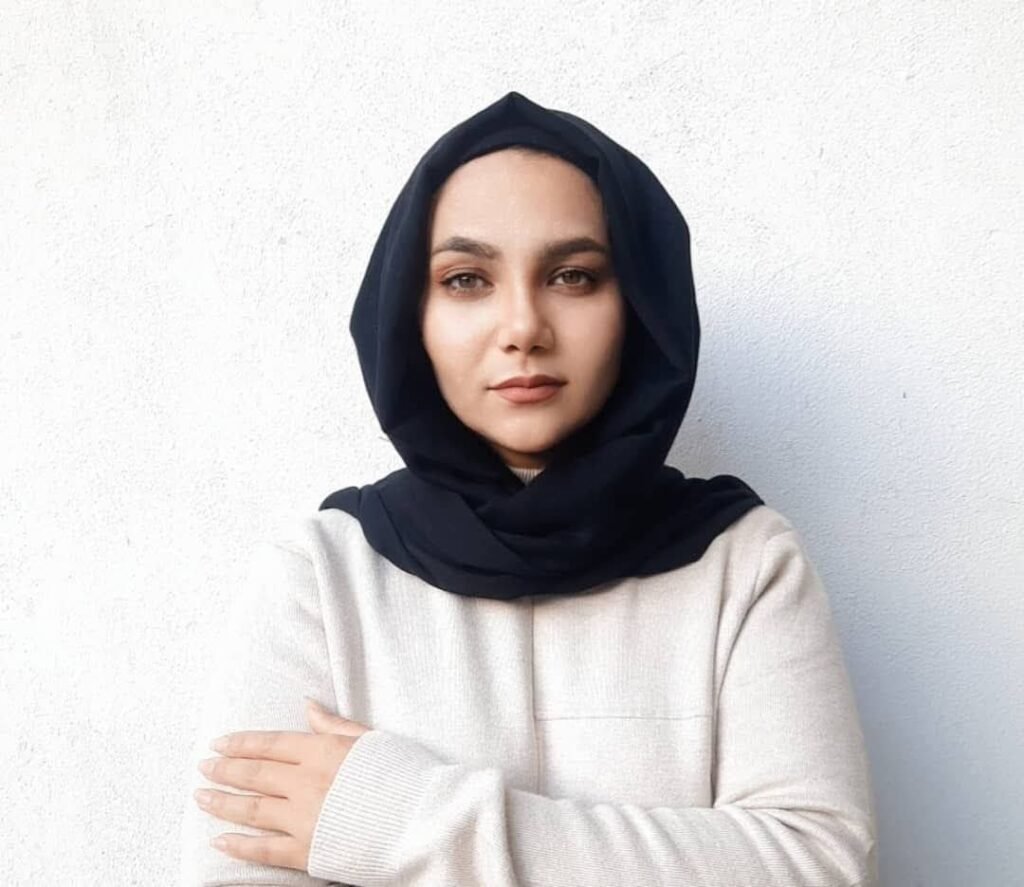
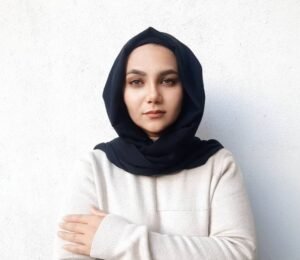
Afghan women's rights activist Hadia Sahebzada, founder of the Afghan Women's Voice Movement.
“Those who defend the rights of Afghan women must not be abandoned when they need protection themselves.”
An urgent appeal by Afghan women’s rights activists has triggered a wave of advocacy efforts after reports emerged that Hadia Sahebzada, founder of the Afghan Women’s Voice Movement, was detained near the Iran-Türkiye border and may face deportation to Afghanistan.
The case has sparked concern among Afghan activists, particularly women who have spent years advocating for the protection of human rights defenders forced into exile since the Taliban’s return to power in 2021. Fearing that Sahebzada could be returned to Afghanistan, where women activists face severe restrictions and significant security risks, dozens of campaigners quickly organized an emergency response.
For many Afghan activists, Hadia Sahebzada represents a generation of women who refused to remain silent in the face of growing restrictions on women’s rights. As founder of the Afghan Women’s Voice Movement, she has been involved in efforts to amplify the voices of Afghan women and draw attention to the challenges they face inside and outside the country. Supporters argue that her public profile and activism make her particularly vulnerable should she be forcibly returned to Afghanistan.
At the center of the advocacy efforts is a WhatsApp group bringing together nearly 100 Afghan women’s rights advocates, journalists, civil society figures, and supporters. The group was established as a coordination platform to share information, contact international organizations, and mobilize public pressure aimed at preventing Sahebzada’s deportation.
Members of the group immediately began reaching out to human rights institutions, United Nations agencies, and influential figures working on Afghanistan. Several participants reported contacting the Office of the United Nations High Commissioner for Refugees (UNHCR), while others said they had communicated with international human rights organizations and individuals involved in monitoring the situation of Afghan women.
One activist described learning about the case with deep concern and praised efforts to unite campaigners around a common cause. She explained that messages had been shared with women’s networks, social media activists, and online platforms with larger audiences in the hope of drawing greater international attention. According to her account, information about the case was also communicated to UN Special Rapporteur Richard Bennett, who reportedly encouraged further coordination with relevant contacts and noted that discussions had already taken place with UNHCR offices in Iran.
The activist emphasized the importance of social media advocacy, arguing that online platforms with broad international audiences can sometimes amplify urgent humanitarian cases more effectively than media outlets with primarily Afghan audiences. She also expressed concern for Sahebzada’s family, describing the situation as a difficult and uncertain period for her husband and child.
At the same time, discussions within the WhatsApp group reflected uncertainty about the exact circumstances of Sahebzada’s detention. Some participants raised questions about reports indicating that communication with her remained possible. One activist observed that individuals detained at border crossings often lose access to personal belongings, including mobile phones and identification documents, making intermittent communication appear unusual.
Nevertheless, activists agreed that significant risks remain regardless of the details. Several activists noted that even individuals carrying valid travel documents can face deportation if apprehended in restricted border areas. Others emphasized that without timely intervention by legal representatives, humanitarian organizations, or advocacy networks operating inside Iran, the possibility of deportation cannot be ruled out.
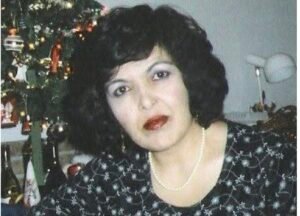
Alongside coordination efforts, photographs of Sahebzada and her family circulated widely among activists, helping personalize the campaign and strengthen calls for protection. Participants repeatedly highlighted the human dimension of the situation, expressing concern not only for Sahebzada but also for the uncertainty faced by her family.
The campaign’s public appeal urges Iranian authorities to halt any deportation proceedings and calls on UNHCR to urgently assess her situation and ensure access to international protection mechanisms. Activists have also appealed to Türkiye, international human rights organizations, women’s rights groups, humanitarian agencies, and media outlets to closely monitor developments.
For many engaged, the case has become symbolic of the broader challenges facing Afghan women activists in exile. As advocacy efforts continue, campaigners insist that women who have publicly defended human rights and women’s freedoms should not face the threat of being returned to conditions where they may be at serious risk.
“Those who defend the rights of Afghan women,” the appeal states, “must not be abandoned when they need protection themselves.”