Wasef Bakhtari: Poetry as a Territory That Cannot Be Conquered
The conquered city, the language that remains By Ivan Pozzoni The history of Wasef Bakhtari makes it possible to formulate...
The conquered city, the language that remains By Ivan Pozzoni The history of Wasef Bakhtari makes it possible to formulate...
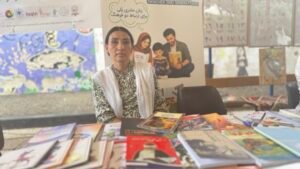
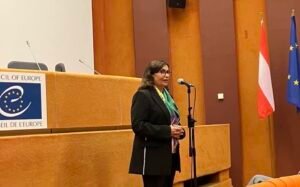
"Many Afghans remain psychologically tied to Afghanistan long after migration." At the 13th From Kabul to Vienna integration festival held this July...
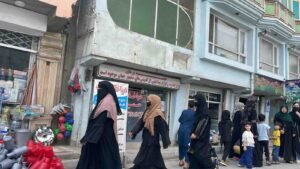
Exile does not represent the end of Afghan writing; it is the transition of testimony from the national territory to...

“I want to learn the language and do vocational training. I want to build a future.” At 18, Keramat Khan...
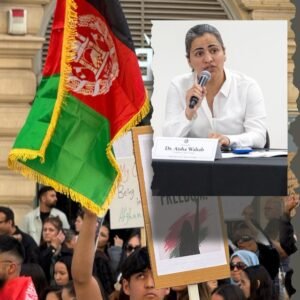
“We are one people… it does not matter if you’re Hazara, Pashtun, Shia, Sunni, American‑born or European‑born.” By Kazim Jafari In...
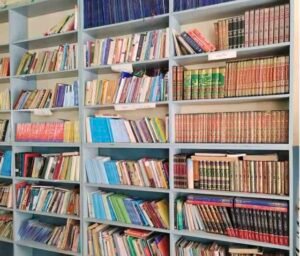
By Ivan Pozzoni The repression exercised by theocratic regimes concerns the control of bodies, spaces, and speech. In the Afghan...

"Kuchnay Kabul reminds us of big Kabul, our capital. It reminds us of our love for our home country.” When...
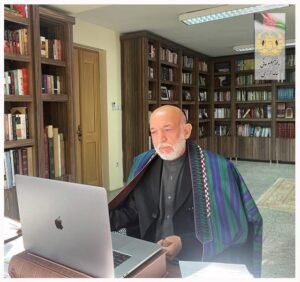
Karzai urges Pakistan to abandon extremism as a tool of influence. By Kazim Jafari In his interview with Mishal Husain for...
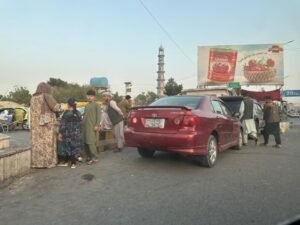
The deportations of Afghans from Pakistan are not only a humanitarian catastrophe but also a destabilizing economic and political act....
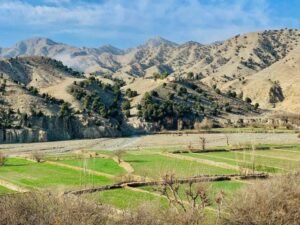
For Afghanistan and Pakistan, the Durand Line remains a central fault line in regional politics. Nabi Sahak’s Anglo‑Afghan Power and Politics,...