Life Sentence for Baloch Activist Sparks Outrage Over Pakistan’s Rights Abuses
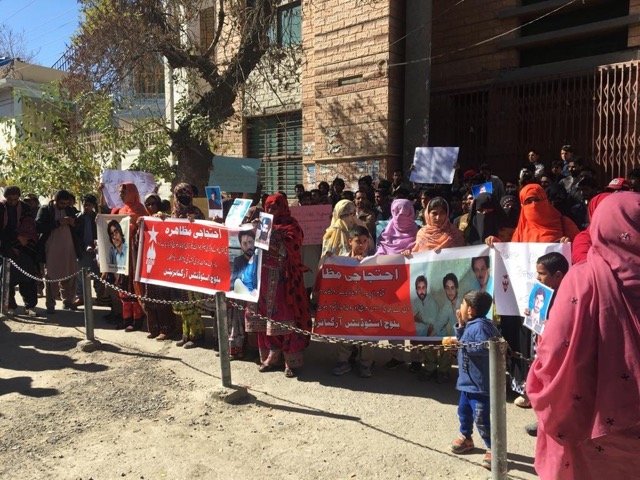
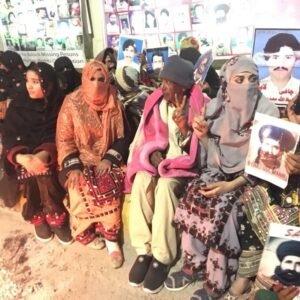
Baloch families demanding answers for the disappeared. Photo: @Balochistan Human Rights Council
Women and girls in Balochistan have suffered for years as their male family members were routinely arrested and forcibly disappeared.
By Kadeem Baloch
The life sentence handed down to Baloch activist Dr. Mahrang Baloch has triggered a wave of condemnation from human rights groups, political observers, and global advocates for women’s rights.
Her conviction by an anti‑terrorism court — on charges critics say are politically motivated — has intensified scrutiny of Pakistan’s long‑standing record of enforced disappearances and the targeting of dissent in Balochistan.
Reporting by the BBC highlights how Dr. Baloch, a medical doctor and one of the most prominent voices against disappearances, has become a symbol of resistance for families searching for missing relatives.
Her sentencing comes at a moment of heightened tension in Balochistan, where decades of militarization, insurgency, and state repression have created deep mistrust between local communities and the Pakistani state.
According to Germany’s media outlets – DW, the verdict has raised fears of renewed unrest, with analysts warning that punishing peaceful activists instead of addressing grievances risks further destabilizing the region.
A Crackdown on Dissent Amid a Crisis of Disappearances
Human rights organizations argue that Dr. Baloch’s case reflects a broader pattern of silencing critics. Amnesty International has repeatedly documented Pakistan’s widespread use of enforced disappearances, particularly in Balochistan, where men and boys have been taken by security agencies and never returned.
In a recent analysis, Amnesty International noted that women — often mothers, sisters, and daughters — have become the public face of the struggle, leading marches and sit‑ins demanding answers about their missing relatives.
Dr. Baloch emerged as a leading figure in this movement after her own father was forcibly disappeared and later found dead. Her activism, rooted in personal tragedy, has mobilized thousands and brought international attention to the crisis. Critics say this visibility made her a target.
Pakistan’s anti‑terrorism courts, long criticized for opaque procedures and broad definitions of “terrorism,” have frequently been used to prosecute activists, journalists, and political opponents.
The charges against Dr. Baloch — including allegations of incitement and links to unrest — have been dismissed by supporters as an attempt to criminalize peaceful protest. Rights groups warn that her sentencing sends a chilling message to anyone challenging the security establishment’s authority. As DW notes, the decision risks inflaming tensions in a province already marked by anger and alienation.
Global Condemnation and a Growing Movement
The international reaction has been swift. Nobel laureate Malala Yousafzai publicly condemned the verdict, writing:
“Mahrang Baloch should not be in prison. Women and girls in Balochistan have suffered for years as their male family members were routinely arrested and forcibly disappeared. They deserve the life that everyone deserves: daughters who can go to school, fathers who come home at night.”
Malala linked Dr. Baloch’s case to a long lineage of Pakistani women persecuted for speaking out — from Asma Jahangir to Fatima Jinnah — and emphasized that instead of addressing the “horror of forced disappearances,” authorities were targeting those who expose abuses. Her message concluded with a clear demand: “Mahrang and her fellow activists must be released.”
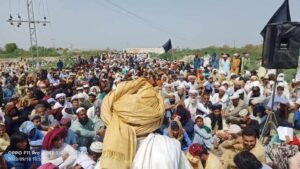
Inside Pakistan, protests have erupted in Quetta, Karachi, and Islamabad, with demonstrators calling for her release and an end to enforced disappearances. Social media campaigns have amplified her story, turning Dr. Baloch into a symbol of defiance against state repression. Analysts say the government’s response will be closely watched, both domestically and internationally.
For Pakistan, the case represents a critical test. Will the state continue to rely on coercion and anti‑terrorism laws to silence dissent, or will it confront the deep‑rooted grievances that have fueled decades of unrest in Balochistan?
For now, Dr. Mahrang Baloch’s supporters insist that her voice — and the movement she represents — will not be silenced.
The author chooses a pseudonym. Kadeem Baloch is a freelance journalist based in Pakistan.
Note: The contents of the article are the sole responsibility of the author. Afghan Diaspora Network will not be responsible for any incorrect statements in the articles.