UN Experts Raise Alarm Over Life Sentence of Baloch Human Rights Defender
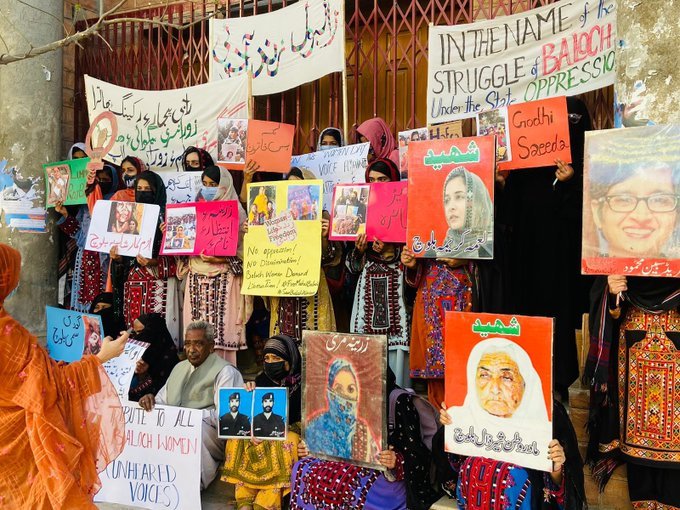
Photo: @Dr. Mahrang Baloch_Fan_Club X.
The Anti‑Terrorism Court in Quetta sentenced Dr. Mahrang Baloch to two life terms after a process marked by serious due‑process violations.
By Kadeem Baloch
UN human rights experts have condemned the life sentence handed down to Baloch activist Dr. Mahrang Baloch, calling it a “grave injustice” and a sign of escalating repression in Pakistan. The Anti‑Terrorism Court in Quetta sentenced her to two life terms after a process marked by serious due‑process violations.
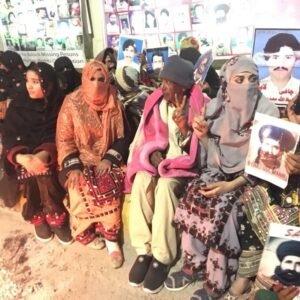
Dr. Baloch is a leading figure in the Baloch Yakjehti Committee (BYC) and has long advocated for victims of enforced disappearances and state violence. The charges stem from a 2024 sit‑in protest in Gwadar, where clashes resulted in the death of a Frontier Corps member. UN experts said the court inferred a “common intent to murder” simply from her presence at the protest.
They warned that classifying her activism as terrorism under Pakistan’s Anti‑Terrorism Act represents a misuse of counter‑terrorism laws. According to the experts, this approach aims to silence peaceful dissent rather than address genuine security threats.
UN experts also highlighted the extraordinary number of cases filed against her—reportedly more than 50. They said this pattern appears intended to intimidate her and discourage other Baloch activists from speaking out.
The trial itself raised major concerns. Hearings were moved inside a prison. Dr. Baloch was denied the right to appear in person. She was forced to accept state‑appointed counsel instead of choosing her own lawyer. Experts said these conditions violate international fair‑trial standards.
Concerns extend to her health and detention conditions. Reports indicate limited access to medical care and pressure on her family. UN experts stressed that even in national security cases, states must uphold basic rights and avoid weaponizing counter‑terrorism laws to restrict expression and assembly.
Before her sentencing, Dr. Baloch reportedly spoke from solitary confinement about resistance, dignity, and the future of Balochistan. She said the struggle of Baloch women is rooted in courage and memory, and that silence in the face of repression would deepen suffering. Her words reflected her commitment to human rights even under extreme isolation.
In that same interview, she described the psychological toll of solitary confinement. She spoke of the “weight of loneliness” and the uncertainty surrounding her case. Yet she insisted that Balochistan’s future depends on sustained civic resistance. Her message became a symbol of resilience for supporters who view her as a voice of hope despite harsh conditions.
Her reflections also highlighted the emotional cost of activism in a region marked by disappearances and intimidation. She said that isolation cannot erase the demands for justice and that communities must continue to speak out.
The UN experts’ condemnation adds to growing international concern over Pakistan’s treatment of human rights defenders. Their call for accountability signals that Dr. Baloch’s case is not only a personal tragedy but also a test of Pakistan’s commitment to human rights and the rule of law.
The author chooses a pseudonym. Kadeem Baloch is a freelance journalist based in Pakistan.
Note: The contents of the article are the sole responsibility of the author. Afghan Diaspora Network will not be responsible for any incorrect statements in the articles.