Afghan Diaspora Steps into Local and National Politics
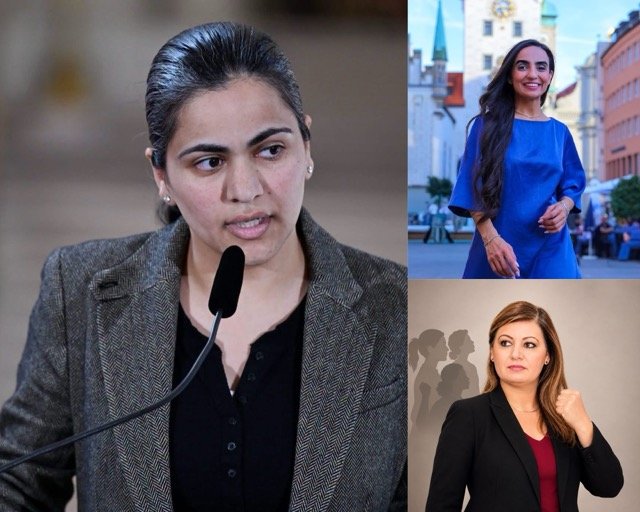
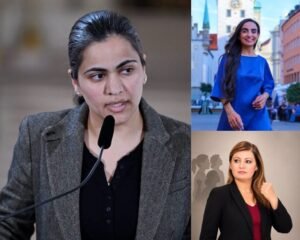
Aisha Wahab in Washington, Mursal Noorzai in München and Zarghuna Wali in Bremen, Germany.
Afghans living abroad are increasingly moving beyond community advocacy to seek direct political representation in their countries of residence. From local advisory councils to state parliaments and national legislatures, candidates of Afghan origin are seeking elected and representative positions to bring issues affecting migrant communities into political debate.
One prominent example is Aisha Wahab, who has secured a full two-year term in California’s 14th Congressional District in the US House of Representatives. Born in New York to Afghan refugees and raised in the foster system, Wahab previously served on the Hayward City Council and in the California State Senate. She is the first Afghan American elected to Congress.
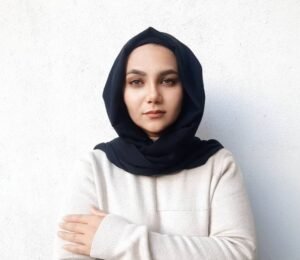
In Germany, several candidates of the Afghan diaspora are also seeking political representation at the regional and local levels. Zarghuna Wali, a writer and women’s rights advocate, has been nominated by the Left Party (Die Linke) as a candidate for the Bremen State Parliament (Bremische Bürgerschaft). Her political priorities include social justice, equality, solidarity, freedom, affordable housing, integration, and peace. She has also sought to build connections between the party and Bremen’s Afghan diaspora community, advocating for greater representation of migrants in local political life.
Wali describes her political engagement as a long-standing commitment to social justice, equality, freedom, and human dignity, one that extends beyond geographical borders. For her, political activity is not simply about holding office but about taking responsibility towards society and ensuring that no one’s voice is silenced because of their background or differences.
A parallel process is under way in Munich. On 22 November, the city will elect a new Migrationsbeirat, an advisory council representing residents without German citizenship. Thirteen candidates of Afghan origin are among more than 400 contenders competing for 40 seats.
Mursal Noorzai has called on the Afghan diaspora in München to participate in the election, emphasizing that an Afghan passport is sufficient and that German citizenship is not required. Eligible voters can cast their ballots by post or in person. Noorzai is standing on list number 2, “Across Borders – Aufbruch für München”. She holds a degree in economics, is a member of the Christian Social Union (CSU), and has served on the council for several years.
Noorzai has urged fellow Afghans to support her list, arguing that stronger participation would give the community a greater voice in the council. Her priorities include improving support for newly arrived refugees, providing clearer information, and addressing discrimination.
Sadat Amiri, a civil-society activist and candidate on the Azadi list has also called on Afghan diaspora to take part in the election. He argues that participation is important to ensure that the concerns of the Afghan community are reflected in the council’s decisions.
Other Afghan candidates have focused on issues including housing shortages, administrative barriers, language difficulties, and restrictions associated with the Bezahlkarte (a restricted payment card for asylum seekers and refugees)payment card. Turnout in previous Migrationsbeirat elections has been low. Candidates have therefore stressed that greater participation is essential if the Afghan diaspora is to make their concerns heard.
Although the Migrationsbeirat has an advisory role rather than direct legislative power, the election offers residents without German citizenship an opportunity to participate in local political representation.
These developments reflect a broader shift in Afghan diaspora engagement. For decades, Afghans diaspora has contributed to public debate through refugee-led community initiatives, demonstrations, and advocacy campaigns. Increasingly, members of the diaspora are also entering political parties, standing for elected office and seeking positions within representative institutions. Their participation takes different forms depending on the political systems and opportunities available in their countries of residence, but it signals a growing interest in influencing the decisions that affect their communities.
From Aisha Wahab’s election to the US Congress to candidates in Bremen and Munich, Afghans in the diaspora are seeking a more direct role in political life—not only by raising their concerns with decision-makers, but also by becoming part of the institutions where decisions are made.