Rising Drug Availability in Kabul Sparks Deepening Social Concerns
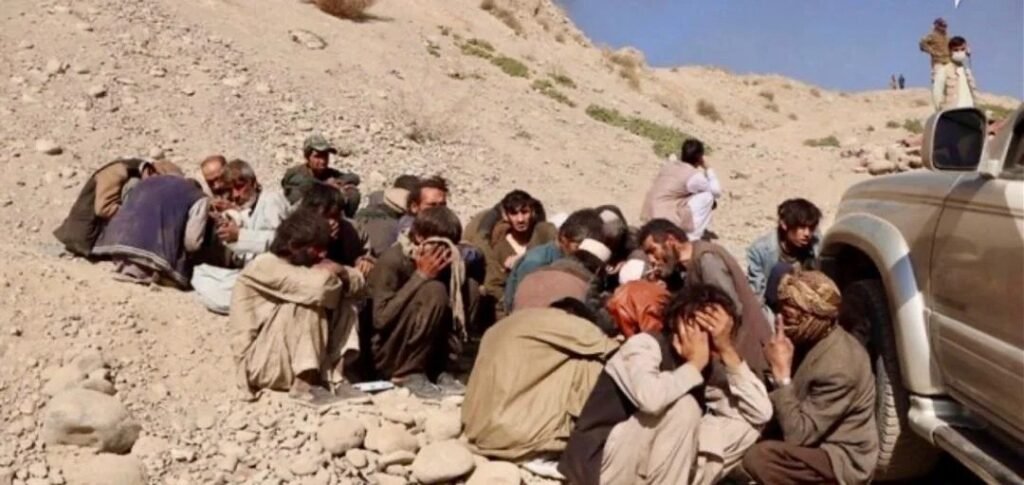
Photo: @Dawood Jabarkhail
By Dawood Jabarkhail
Residents in several Kabul neighborhoods report a sharp rise in the availability and use of narcotics, describing it as one of the city’s most urgent social challenges. Since the Taliban’s return to power in 2021, access to drugs has reportedly expanded in ways that directly affect families and young people.
Sources say drugs are easily obtainable in Khair Khana, Sarai Shamali, Taimani and nearby districts, where drugs are sold cheaply and with little interference. In many streets and alleyways, drug sales have become visible and routine, increasing the risk of exposure for teenagers and school‑aged children.
Residents identify Chehelsoton, Wasel Abad, Deh Afghanan, Bagh‑e Qazi and Tappa‑e Karte‑e Naw as major distribution points. They argue that weak monitoring and limited enforcement have allowed drug networks to operate more freely, especially in areas affected by unemployment and economic instability.
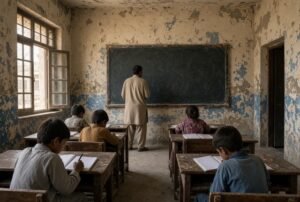
Community members report rising addiction among young men and teenagers, with cases now appearing even among students in some schools. Concerns are also growing about increased drug use among young women, a trend that families say is becoming harder to address due to stigma and lack of support services.
Social analysts warn that poverty, joblessness and the absence of effective treatment programs could deepen long‑term social harm. They highlight risks such as declining school attendance, increased domestic strain, and the erosion of community cohesion as addiction spreads.
Many Kabul residents note that some drug networks existed before 2021, but argue that the current economic crisis and weakened oversight have enabled these networks to expand significantly. They fear that without targeted interventions, Kabul’s younger generation may face escalating cycles of addiction, marginalization and vulnerability.
Note: The contents of the article are the sole responsibility of the author. Afghan Diaspora Network will not be responsible for any incorrect statements in the articles.