China’s Submarine Gift Comes with Questions
Signature: o0lvkT3RdAGy8U7iMfnFW9sLP7tgtjrMSHNm/O9rnElTUqfa/64fa+jHKI6Tjsd1LBJUXm//BnRzjHAT1k7kd+hz6UDnpzy24VCXj6Wt8iMuJ6gLk77+r2dFS7Iii6TzJZ4D5N/D0jH4StnKMbW+VSnEDHs8xdEo5+GmuiBJK2tgeSf5TqoA9ktGQPr1SByZvgxx9sDLL8UIYY5AIJ7K39EfUVERSV4ELhFKKiSPOUAuMEoUdAeI3RiVkiuSZAwIX28OkKsnEmsHMinDl6FDJuznVU9+eieNfO3nlVDx9xQtIZ5Oa0dbh5m4mRe4/VW334Z0MC6cX5i1K8uofYYi3EnrA6UVEWsAcwzhKrYAChjiWVJTkfzmJw8SIPwDACivfRiwnmZiIE2PWtLsSAgsDhbQ3hwABpw8VzFNygWT0rPjs3s5/eNBJ8h1/NjZ3xMsT9xO3GLCcj6kR5K1PZmnyoddwM/7rg1XTouZs0+cHTLDNasJ7raZksqxZsmv9ceDjHuctOzR2WGSCYULAjVft6iAELAT1hJ7+FXEwvu85oVqo/WkUK7oVUmW6dRIo9LEfZJOfy5GQYC9x1CtPKJjSkmApGHGHHgSAo0fc58zeRJS1D+D0jS8GDQNNHDy4RMNoS3dI8Do3VElNFsRPPX2SwKpaw5IHWkbxgueKFZLsMNhLin0XooWa2UAZ9oliQCPIu+ghArg3uDn4Up+GaBjwW0xGrvohcCS1gFa579iE2MgdW03G4eWiOMJZy6SDlw0HFdBjNgB+iwUjukEnyoMReL4RbXVbmVVBgMgi8sJOB8vXSROyQnQQVEY7ywgjbA3AF1zY6e0jP8M+ULnl+4TLVPQyLBdR9F2tBk78qGtlqa3q5ua/Ubb88DKM6h7Xmz13TqFieZXaq72suYdPXMu67YuhqJykDSA0w7Yme6WgAU4r7lbqDHiWF8J7dojTE66
By Nasir Khattak
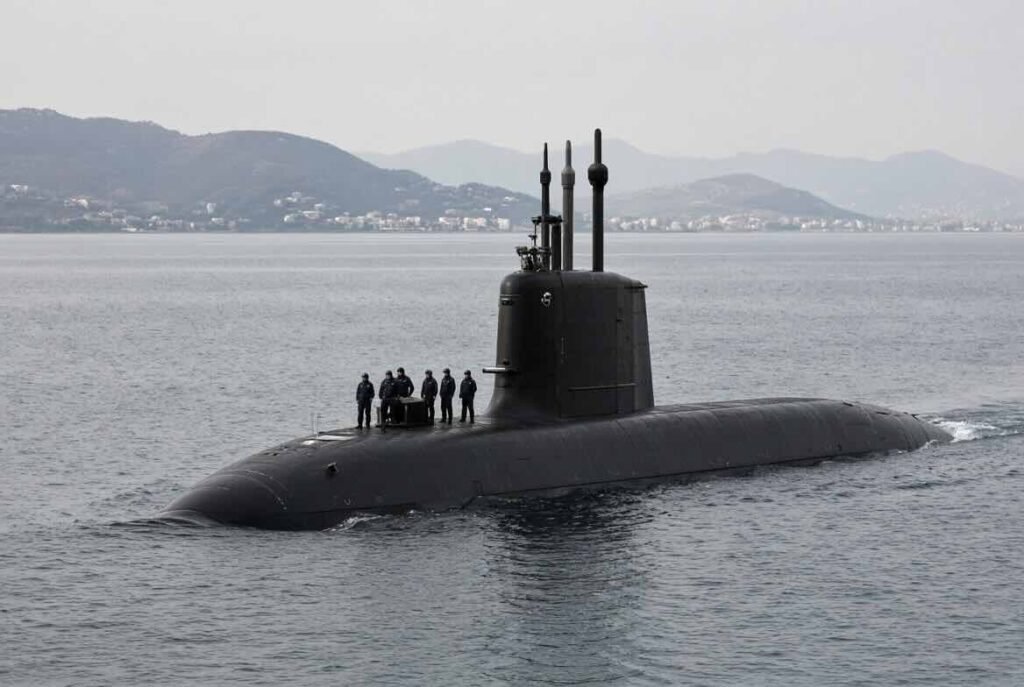
When Pakistan commissioned its first Hangor-class submarine in 2026, officials described it as a major milestone for the country’s navy and a symbol of a growing strategic partnership with China. Yet behind the celebrations, the program has sparked questions about technology, reliability, and what Pakistan’s expanding military capabilities could mean for regional security.
The Hangor project began with a roughly $4.8 billion agreement between Pakistan and China for eight submarines. Four are being built in China, while the remaining four are scheduled to be assembled at Karachi Shipyard and Engineering Works in Pakistan. Based on China’s Yuan-class submarines, the vessels are expected to become the backbone of Pakistan’s future underwater fleet.
For Pakistan, the stakes are high. Submarines are among the most difficult military assets to detect and can play an important role in surveillance, deterrence, and, potentially, the deployment of long-range missiles. Analysts say the addition of eight Hangor-class submarines could significantly strengthen Pakistan’s naval capabilities in the Arabian Sea and the wider Indian Ocean region.
But the program has faced a major obstacle: engines.
China’s own Yuan-class submarines are powered by German-made MTU diesel engines, long regarded as among the most reliable and quiet propulsion systems available for conventional submarines. Germany, however, did not approve export licenses for those engines for Chinese submarine exports. A similar dispute affected Thailand’s planned purchase of an export version of the same submarine.
As a result, Pakistan’s Hangor submarines are believed to be using China’s domestically developed CHD620 diesel engine instead. While China has promoted the engine as a suitable alternative, questions remain about its long-term operational performance. Unlike the German MTU system, the CHD620 lacks a publicly known operational track record in front-line submarine fleets. Critics argue that extensive testing cannot fully substitute for years of real-world service at sea.
These concerns are significant because a submarine’s effectiveness depends not only on weapons and sensors but also on reliability and stealth. Any issues affecting propulsion, maintenance, or noise levels could reduce operational performance compared with the Chinese submarines on which the Hangor design is based.
The program has also experienced delays. Pakistan originally hoped to receive the submarines earlier, but the delivery schedule has slipped, with the full fleet now expected to enter service later than originally planned.
Beyond technical questions, the Hangor program highlights Pakistan’s growing dependence on China for advanced military technology. From propulsion systems and electronics to weapons and spare parts, much of the submarine’s capability is tied to continued Chinese support. That reality reflects a broader trend in which Beijing has become Islamabad’s most important defense partner.
Why does this matter beyond military circles?
Because naval modernization shapes the security environment of South Asia. Pakistan’s submarine expansion is taking place amid enduring tensions with India and a region still dealing with the legacy of conflict and instability. Critics also point to Pakistan’s long history of using militant proxies in Afghanistan and elsewhere, arguing that the country’s military ambitions cannot be viewed separately from its broader regional policies.
For now, PNS Hangor is in the water and represents a significant achievement for Pakistan’s navy. Yet the success of the broader program will depend on whether the submarines deliver the reliability and capability promised by their supporters. Until then, the Hangor project remains a symbol of both ambition and unanswered questions.
About the author: Nasir Khattak specializes in the China-Pakistan region, with a particular focus on the economic relations between the two countries.
Note: The contents of the article are the sole responsibility of the author. Afghan Diaspora Network will not be responsible for any incorrect statements in the article.