Afghan Diaspora Mobilizes Across Europe: Unity, Anger, and Calls for Justice
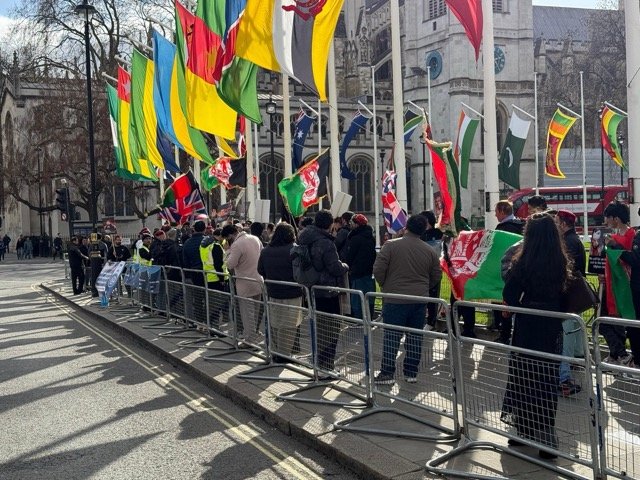
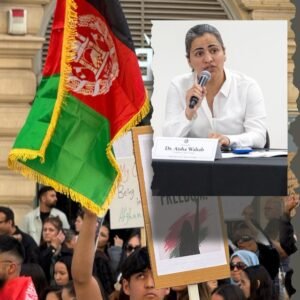
Afghan diaspora protesters in London, 29 March 2026
By Wakeel Attock
On 29 March 2026, Afghan communities across Europe took to the streets in a coordinated wave of protests, expressing anger over recent airstrikes in Afghanistan and calling for justice for civilian victims. Demonstrations were held in London, Brussels, and Oslo, reflecting a growing sense of urgency among the Afghan diaspora as violence continues to affect communities back home.
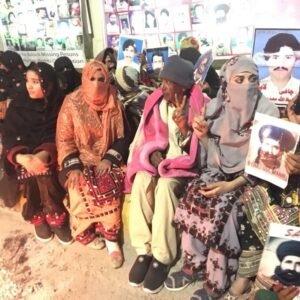
The largest gathering took place in London, where hundreds of protesters assembled outside the UK Parliament before marching toward the Pakistani embassy. Participants carried photos of victims and banners reading “Justice for the people of Afghanistan,” “Stop killing civilians,” and “All eyes on Kabul – 400 martyrs.” Chants condemning Pakistan’s military actions echoed through central London, as demonstrators demanded international attention and accountability.
Many protesters pointed specifically to the reported airstrike on a drug rehabilitation center in Kabul, which has drawn widespread condemnation. Findings highlighted by Human Rights Watch suggest that the attack may have been unlawful and could amount to a war crime, with high numbers of civilian casualties reported. For many in the diaspora, this incident has become a symbol of both the human cost of ongoing violence and the lack of a strong international response.
Organizers in London emphasized unity as the defining feature of the demonstration. Afghans traveled from across the United Kingdom, including Manchester, Birmingham, and Southampton, to take part. The protest was supported by dozens of diaspora organizations and brought together people from different ethnic and social backgrounds. Women were visibly present, and activists stressed that the gathering was about defending civilians and national dignity rather than supporting any political authority in Afghanistan.
Sayed Zakir Shah Sadat, one of the organizers, described the demonstration as a collective response to civilian suffering. “We stand united against aggressors such as Pakistan,” he said, emphasizing that the goal was to make clear to British policymakers that “Afghans are united in the face of aggression.” He also highlighted the significance of participation from across the country, calling it “a symbol of unity” that brought together Afghans from different regions and backgrounds.
Sadat further stressed that the protest was carefully organized and intentionally peaceful. “This was very peaceful and very organized,” he noted, adding that the demonstration had been planned over several weeks. He also underscored the importance of inclusive participation:
“It was important that women participated—many women joined the demonstrations.”
Similar scenes unfolded elsewhere in Europe. In Brussels, Afghan activists gathered to condemn the attacks and issued a detailed statement calling for justice, accountability, and immediate international action. Their demands included investigations into civilian casualties, stronger engagement by the United Nations and the International Criminal Court, and concrete steps by the European Union to address the situation.
At the same time, the Brussels statement made clear that concerns about Afghanistan go beyond external attacks. Participants also criticized ongoing restrictions on women’s rights and education inside the country, emphasizing that both external aggression and internal injustices must be addressed. This dual message reflects a broader sentiment within the diaspora: a desire to speak out against all forms of harm affecting Afghan civilians.
Protests were also reported in Oslo, where members of the Afghan community gathered to voice similar concerns. Across all locations, demonstrators highlighted the worsening humanitarian situation and warned that continued violence risks further destabilizing already fragile communities.
Many protesters used social media to amplify their message, calling on Afghans and supporters worldwide to stand against what they described as violations of human rights and international law. Others emphasized that raising their voices is a responsibility – both as Afghans and as advocates for justice.
Despite the scale of the demonstrations, participants expressed frustration at what they see as a limited international response. For many, the lack of strong political reaction has deepened the sense of urgency driving these protests.
The broader regional context also remains significant. Longstanding tensions between Afghanistan and Pakistan, particularly along the Durand Line, continue to shape the situation, with repeated clashes and competing narratives transforming security and responsibility. While Pakistani authorities often justify their actions as counterterrorism measures, Afghan protesters argue that civilians are paying the price.
Still, the message from the streets of London, Brussels, and Oslo was clear: Afghan diaspora is determined to raise its voice. As Sadat noted, the demonstrations were not only about protest, but about responsibility – an effort to stand for justice and to ensure that civilian suffering is neither ignored nor forgotten.
Organizers say this will not be the end. Further demonstrations are already being planned across Europe, signaling that Afghan diaspora communities remain committed to demanding accountability, justice, and peace for their home country.
Afghan poet Wakeel Attockpreviously served as the director of culture for the eastern provinces of Laghman and Nooristan.
Note: The contents of the article are the sole responsibility of the author. Afghan Diaspora Network will not be responsible for any incorrect statements in the articles.