Open Letter Asks UN to Investigate Pakistani Strikes in Afghanistan
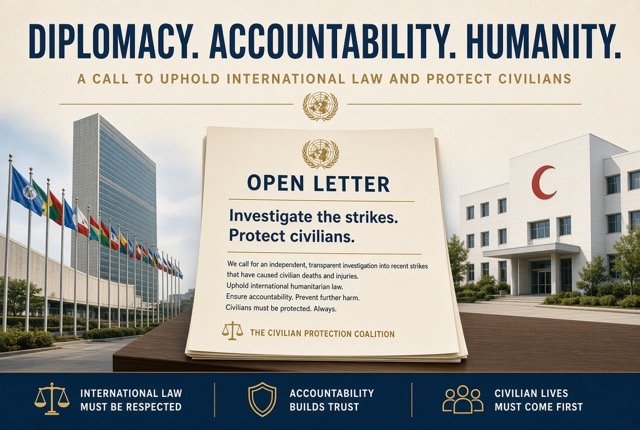
Stop the airstrikes and artillery. Open an independent investigation under UN auspices, covering all attacks since the campaign began, including the March hospital strike and the September raids.
By Kazim Jafari
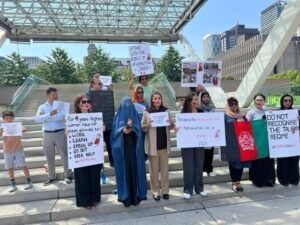
Afghans inside Afghanistan and in the diaspora, along with human rights supporters, have sent an open letter to the United Nations, the International Criminal Court, and major governments. Dated 21 September 2026, it demands an immediate halt to Pakistani military strikes inside Afghanistan and an independent inquiry into civilian deaths.
The authors address the UN secretary-general, the Security Council, the Human Rights Council, UNAMA, the ICC prosecutor, the Organization of Islamic Cooperation, the United States, European governments, the Red Cross, and Amnesty International.
According to the letter, Pakistani air and artillery attacks have continued for weeks and months across several Afghan provinces, including areas in and around Kabul. Homes, markets, fuel and food depots, and health facilities have been hit or affected, they say. Civilians have been killed and injured. Families have been displaced. Independent Afghan and international media, the petitioners add, have reported a pattern of strikes in or near populated places.
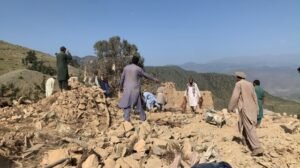
One incident, they argue, cannot wait. On 16 March 2026, Pakistan is alleged to have struck a civilian drug-rehabilitation hospital in Kabul. The letter says thousands of patients and staff were in the facility at the time. It reports that more than 400 civilians were killed and hundreds more injured, and that the hospital was almost destroyed and burned. Survivors and rescue workers, it says, pulled bodies from the rubble. The authors say that if a working hospital was bombed, that fact alone requires an outside investigation.
The violence, they write, did not stop there. On 21 September 2026, Pakistan reportedly struck again in Kunar and Paktika. Afghan authorities said at least three civilians were killed when a house was hit in Kunar. Pakistan said it targeted militant sites and killed 28 fighters. The letter treats the clash of accounts as a reason for inquiry, not as a reason to look away.
Pakistan says it hits “terrorist infrastructure.” The petitioners say that label does not answer reports that civilian objects were struck and that men, women, and children were among the dead and wounded. They remind governments that the Geneva Conventions require a distinction between civilians and fighters, and that hospitals enjoy special protection. Bombing a functioning hospital without justification, they argue, may amount to a war crime.
Their demands are practical. Stop the airstrikes and artillery. Open an independent investigation under UN auspices, covering all attacks since the campaign began, including the March hospital strike and the September raids. Give investigators, UNAMA, aid groups, doctors, and journalists safe access to the sites. Ask the ICC prosecutor to review the file within its jurisdiction. Call on Pakistan to investigate its own forces and to pay reparations: compensation, medical care, shelter, and help to rebuild homes and clinics.
The letter also speaks to Afghans. It asks people inside the country and in the diaspora to set aside political and ethnic divisions, honor the victims, and press for truth by peaceful means. Signatories say no state should bomb hospitals or homes without consequence. The petition cannot settle the facts. It asks the world not to leave them unsettled.
Kazim Jafari is a political science student at the University of Heidelberg in Germany.
Note: The contents of the article are the sole responsibility of the author. Afghan Diaspora Network will not be responsible for any incorrect statements in the articles.