A Nation’s Future Cannot Grow in Garbage Heaps
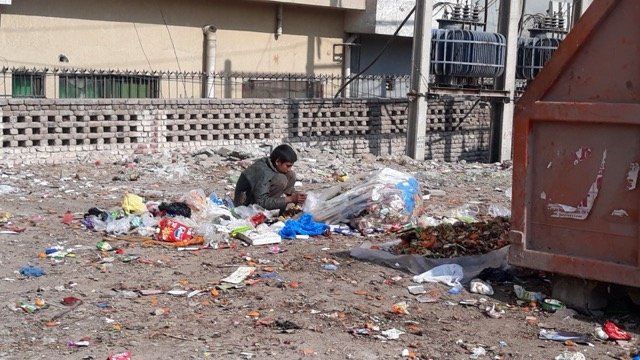
Photo: @Dawood Jabarkhail
By Dawood Jabarkhail
Across Afghanistan, the most painful face of poverty is not statistics—it is the sight of children searching through garbage piles and dirty drainage canals instead of sitting in classrooms. These are the children who leave home at dawn, barefoot and hungry, not to learn but to collect scrap metal, plastic, or anything that might earn their families a few coins. In winter’s cold and summer’s heat, they wander the streets because survival has been placed on their small shoulders.
While children in many parts of the world wake up early to go to school, millions of Afghan children wake up to a day of labor. Some spend long hours in workshops and small shops, doing work far beyond their age. Others roam the streets collecting trash. These children are not faceless strangers — they are the sons and daughters of a nation battered by war, displacement, and economic collapse.
They deserve books and pencils, not burdens and exhaustion. They deserve a childhood filled with dreams, not a daily struggle for bread. These children carry the grief of lost parents, the weight of poverty, and the silence of a world that has looked away for far too long.
If given the chance, they could become the builders of tomorrow — teachers, engineers, artists, doctors. But without education, they risk becoming trapped in a cycle of poverty that will shape not only their lives but the future of the entire country.
The numbers are staggering. According to Afghanistan’s Ministry of Labor and Social Affairs, more than six million children are out of school, and fourteen million are engaged in hard labor. International organizations warn that millions more remain without access to healthcare, protection, or basic rights. If the world fails to act, this crisis will only deepen.
The question is simple: Who will stand up for these children? Who will place a hand on their heads and say they deserve better? Who will fight for their right to learn, to grow, and to live with dignity?
Children are not just the responsibility of their families — they are the responsibility of a nation. Their protection is a moral duty, and their education is an investment in peace and stability. A country cannot rebuild itself when its youngest generation is left behind in the mud and misery of poverty.
If these children remain without support, without education, and without hope, the consequences will be felt for decades. But if we place books in their hands instead of burdens on their backs, they can become the strength of the nation — not its forgotten victims.
Afghanistan’s future depends on whether we choose to protect its children today. Their rights are not optional. Their lives are not disposable. And their dreams should not be buried under the weight of poverty.
Note: The contents of the article are the sole responsibility of the author. Afghan Diaspora Network will not be responsible for any incorrect statements in the articles.