Hazara Culture Day Unites Communities Across Continents
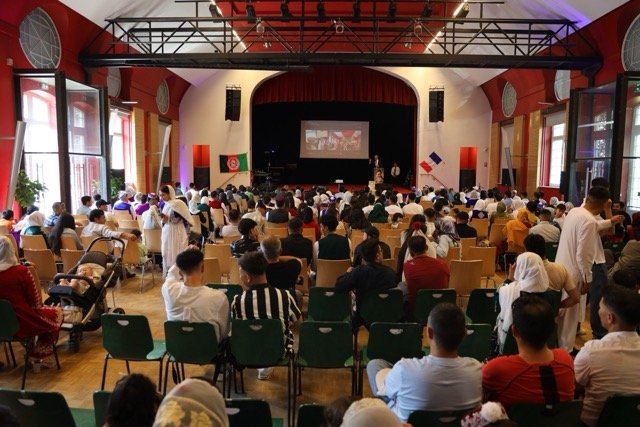
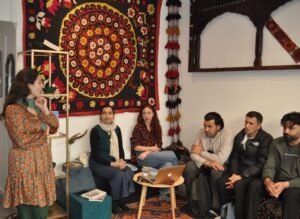
Hazara communities fill the venue in France, celebrating identity and togetherness across the Afghan global diaspora.. Photo: @احمد رضایی و علی رضا مظفر
ADN
From Vienna to Strasbourg, Gothenburg, and Hamburg, Afghan Hazara communities across Europe marked Hazara Culture Day this May with a shared message: culture is a bridge that keeps a scattered people connected.
What began as small gatherings years ago has now become a global celebration, stretching from Europe to Australia, Canada, and the United Kingdom. This year’s events showed a diaspora that is confident, organized, and determined to protect its identity.
Vienna has long been a center of Afghan cultural life in Europe. Over the years, the city has hosted discussions, concerts, and community gatherings that helped shape a wider European trend: using culture as a way to stay rooted while living far from home. That same spirit was visible across the continent this year, as Hazara communities turned cultural events into spaces of unity and recognition.
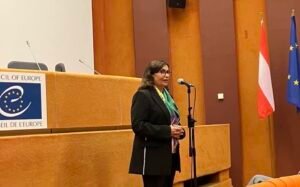
In Strasbourg, France, the Bamika–Alsace Cultural Association hosted one of the most diverse celebrations. Guests arrived from several countries, and the program opened with a welcome speech about the history and identity of the Hazara people. The message was simple: culture is not just something to remember but something to practice and pass on.
One of the most powerful voices of the evening was Abdul Razaq Wahidi, Afghanistan’s former minister of telecommunication, who reminded the audience that Hazara history includes both hardship and resilience. He spoke about the long struggle for education and equal rights and how the community has always chosen learning over violence.
“Our answer to discrimination has always been knowledge,” he said, urging young people to use the opportunities available in Europe to build strong futures.
Wahidi also highlighted the achievements of Hazara youth in technology and science, including the creation of new language datasets for Pashto, Dari, and Hazaragi. For him, these successes show that the diaspora is not only preserving culture but also contributing to global knowledge.
He also spoke about the importance of online education for Afghan girls, calling it a lifeline at a time when schools inside Afghanistan remain closed to millions of students.
Another key figure mentioned across several events was Shakardokht Jafari, an Afghan-British medical physicist and an award-winning innovator based at the Surrey Technology Center, whose scientific achievements have become a source of pride for the community. Her work was highlighted as an example of how Hazara women continue to break barriers despite the challenges facing Afghanistan.
In Gothenburg, Sweden, the association HOPE organized a large celebration under the theme “Culture and Community.” Around 500 people attended, including families, students, and artists. The event honored young talents in education and sports, reflecting a growing trend in diaspora gatherings: celebrating achievement as part of cultural identity.
One of the most inspiring guests was para‑taekwondo gold medalist Zakia Khudadadi. Her presence carried symbolic weight. Forced to flee Afghanistan, she has become a global symbol of courage and representation.
In Gothenburg, Khudadadi encouraged young people to stay active, confident, and connected to their roots. She also handed out honorary awards to students and athletes, turning the evening into a celebration of both culture and personal success.
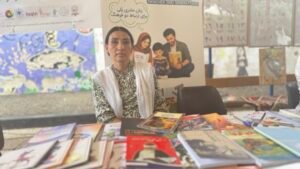
The Gothenburg event also included a cultural market and performances that highlighted the diversity of Hazara artistic expression. The atmosphere was warm and communal, showing how cultural gatherings help build a sense of belonging far from home.
Hamburg, Germany, hosted the largest celebration, with nearly 700 participants. The event was organized by the Hazara Cultural and Sports Association in cooperation with several Hazara networks, including Sunni, Shia, and Ismaili groups. This unity was one of the most important messages of the evening: despite differences, the community stands together to protect its heritage.
The Hamburg program included speeches about cultural preservation, education, and the responsibility of older generations to guide the young. Exhibitions showcased traditional clothing, crafts, and artworks by Hazara artists. The event also honored the association’s futsal team, highlighting how sports have become another way for young people to stay connected to their community.
Across all these cities, one theme was clear: Hazara Culture Day is no longer just a local celebration. It has become a global movement. From Vienna to Hamburg, from Sydney to Toronto, and from London to Auckland, Afghan Hazara communities are using culture to reclaim space, strengthen identity, and build unity across borders.
These celebrations also reflect a deeper reality. As cultural and educational spaces shrink inside Afghanistan, the diaspora has taken on a greater responsibility. Cultural festivals abroad now serve as safe spaces where Afghan identity can be expressed freely and where values such as education, equality, and human dignity are protected.
This year’s events showed a diaspora that is proud of its artists, scholars, and athletes. A community that celebrates its youth, honors its elders, and stands together despite distance. And a people who understand that culture is not only inherited—it is built, protected, and carried forward.
Hazara Culture Day, celebrated across continents, is proof of that commitment.