Amnesty International: Pakistan’s Kabul Strike May Be a War Crime
“Pakistan failed to verify whether the target was a military objective. The strike possibly amounts to a war crime.”
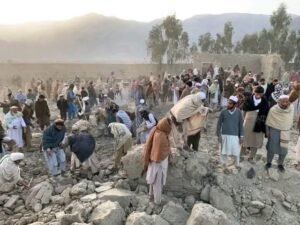
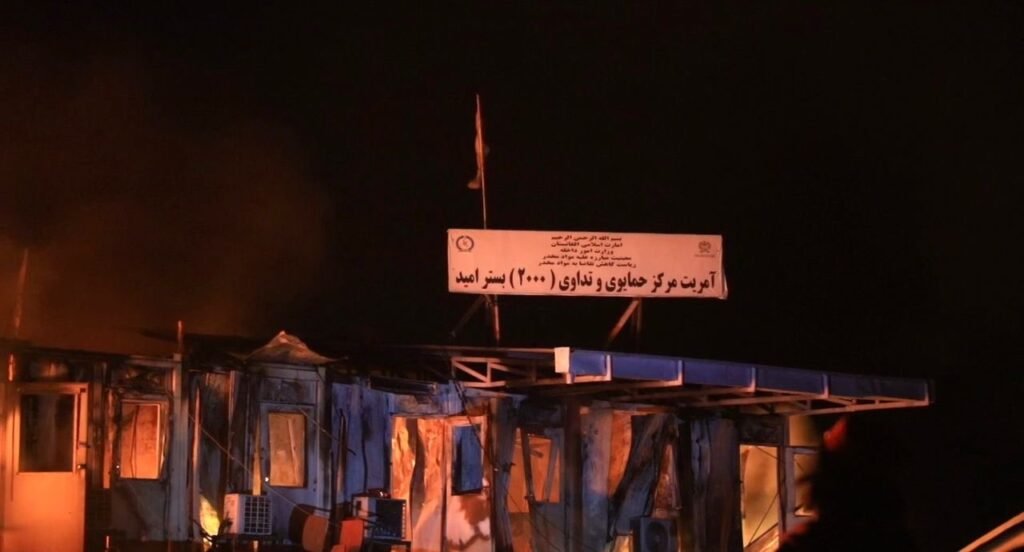
A new investigation by Amnesty International has concluded that Pakistan’s 16 March air strike on Kabul’s Omid Rehabilitation and Treatment Centre—which killed at least 269 civilians—may constitute a war crime and must be subject to an independent, transparent inquiry.
The report, released on 22 July 2026, challenges Pakistan’s official narrative and raises urgent questions about accountability amid escalating tensions across the Durand Line between Pakistan and Afghanistan.
The Omid Centre, a newly renovated 2,000‑bed drug rehabilitation facility, was one of the few functioning public health institutions in Kabul. According to the United Nations Assistance Mission in Afghanistan (UNAMA), the strike killed 269 civilians and injured 122 more, most of them patients undergoing treatment for substance abuse. Amnesty’s investigation—based on satellite imagery, more than 60 verified photos and videos, and interviews with current and former staff—found no evidence that the center was being used for military purposes.
Pakistan claimed it targeted a “military and terrorist infrastructure,” but Amnesty’s analysis contradicts this assertion. Satellite images show patients lining up for treatment days before the attack, and witnesses confirmed that the center was fully operational.
One of the destroyed buildings contained wood, coal, clothing, and shoes — items consistent with a civilian facility, not a weapons depot. The majority of bodies were recovered from the dining hall and kitchen, indicating that the strike occurred during dinnertime, when patients were gathered together.
Amnesty argues that the attack violated core principles of international humanitarian law (IHL), including distinction, precaution, and proportionality. Medical facilities receive special protection under IHL, and any attack on them requires clear evidence that they have lost their protected status.
“Pakistan failed to verify whether the target was a military objective,” said Isabelle Lassee, Amnesty’s Acting Director for South Asia. “The strike possibly amounts to a war crime.”
The report has already drawn international attention. Richard Bennett, the UN Special Rapporteur on the situation of human rights in Afghanistan, posted on X that this is an “important investigation by Amnesty; must be taken very seriously and acted on.” His statement underscores growing concern among human‑rights experts that the strike reflects a dangerous erosion of civilian protections in the region.
The organization is calling for a thorough, independent, and impartial investigation into the decision‑making process behind the strike. It urges Pakistani authorities to make the findings public and prosecute individuals responsible, including under the doctrine of command responsibility if evidence supports it. Amnesty also warns that Pakistan’s failure to investigate risks entrenching impunity and further endangering civilians.
The Kabul strike occurred amid intensifying clashes between Pakistan and the Taliban government since late 2025. UNAMA documented more than 750 civilian casualties from violence between January and March 2026 alone. Analysts fear that without accountability, both sides may escalate operations, increasing risks for civilians already facing severe humanitarian pressures.
For Afghanistan, the destruction of the Omid Center represents more than a tragic loss of life. It has left a critical gap in the country’s fragile healthcare system at a time when drug addiction rates are rising, and treatment options are scarce.
The attack also undermines efforts to stabilize public health infrastructure under the Taliban authorities, who—despite their record of human rights violations—had invested heavily in the center as part of their anti‑drug campaign.
Amnesty’s findings underscore a stark warning: unless the international community demands accountability, violations of international humanitarian law will continue unchecked, and Afghan civilians will remain trapped between geopolitical rivalries and militarized responses. For families of the victims, justice remains distant—but the call for investigation marks a crucial step toward acknowledging the scale of the tragedy and preventing future abuses.