Taliban in Control, but Afghanistan Remains Far from Stable
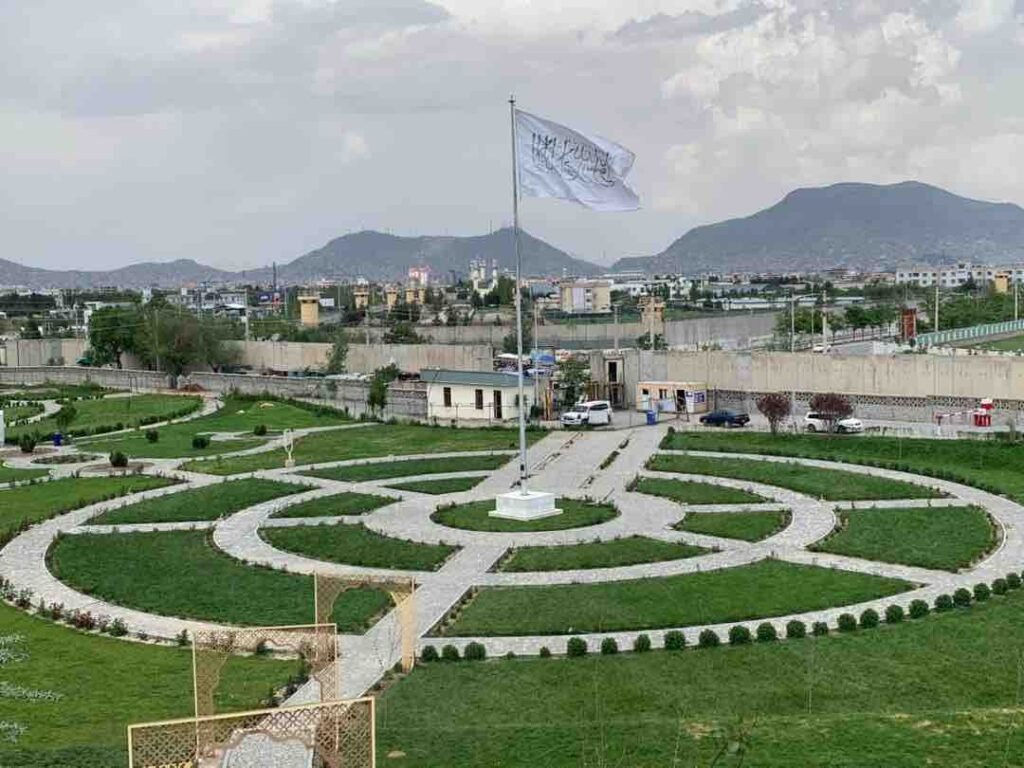
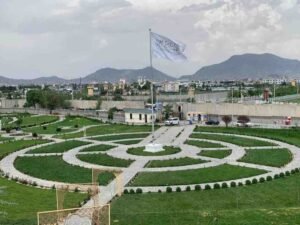
Kabul, Afghanistan. Photo: @SS Ahmad for ADN
By Kazim Jafari
Five years after the Taliban returned to power, Afghanistan’s rulers face no immediate threat to their authority. Yet the country remains marked by insurgent attacks, extremist violence, and growing tensions with neighboring Pakistan.
A January 2026 report by the European Union Agency for Asylum (EUAA) paints a picture of a security landscape in which the Taliban have largely consolidated territorial control, while a range of armed actors continue to generate instability and civilian suffering.
Among the most visible opponents of the Taliban are armed resistance groups linked to the former Afghan republic. The National Resistance Front (NRF) and the Afghanistan Freedom Front (AFF) continue to claim attacks across several provinces, but their actual capabilities remain disputed.
The EUAA report notes that no resistance group currently controls territory inside Afghanistan. Some analysts even argue that anti-Taliban forces have been largely defeated in their former strongholds in Panjshir and Andarab.
That said, the insurgency has not disappeared.
According to UN data cited by the report, armed opposition groups carried out hundreds of attacks between August 2024 and October 2025. Most targeted Taliban security forces, particularly in Kabul, Kunduz, Takhar and Herat. But despite this activity, the United Nations concluded that the armed opposition poses no significant challenge to the Taliban’s hold on territory.
While resistance groups remain active, the Islamic State Khorasan Province (ISKP) continues to represent a different kind of threat.
Unlike the anti-Taliban resistance, ISKP seeks to challenge the Taliban from an extremist ideological position. The group has suffered major setbacks in recent years as Taliban security forces intensified counterterrorism operations, killing commanders and dismantling operational cells.
As a result, ISKP attacks have fallen sharply from the levels recorded in 2022.
Yet the group’s ability to strike has not been eliminated. The UN estimates its strength at around 2,000 members, operating through decentralized cells across the country, particularly in the north and northeast.
Recent attacks attributed to ISKP have targeted Taliban personnel as well as religious minorities. Incidents involving Sufi and Shia communities underscore the group’s continuing capacity to exploit sectarian tensions and inflict civilian casualties despite its reduced operational reach.
If resistance groups and ISKP represent internal security concerns, the most dramatic escalation of violence during the reporting period came from Afghanistan’s border with Pakistan.
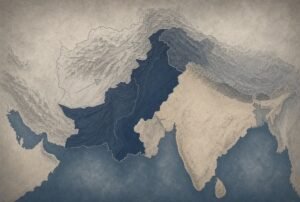
Relations between the two countries deteriorated sharply in 2025. The report documents dozens of armed incidents involving Taliban and Pakistani security forces, most of them concentrated along the eastern border.
The situation reached a dangerous peak in October 2025.
Pakistan carried out airstrikes inside Afghanistan, including strikes reportedly reaching Kabul. Taliban forces responded by attacking Pakistani military positions along the border, triggering some of the deadliest clashes between the two sides since the Taliban’s takeover in 2021.
The consequences for civilians were severe.
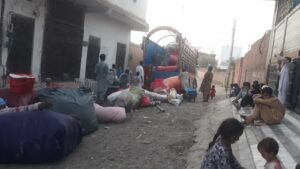
According to UN figures cited in the report, more than 500 civilians were killed or injured during a week of fighting in October 2025 alone. In Spin Boldak, one of the hardest-hit areas, homes, businesses and civilian infrastructure sustained extensive damage.
The confrontation also disrupted trade and cross-border movement. Pakistan closed border crossings following the clashes, further increasing pressure on communities already struggling with economic hardship.
The report suggests that Afghanistan’s security challenges have changed rather than disappeared. The Taliban have largely succeeded in eliminating threats to their territorial control, but they have not achieved lasting stability.
Armed resistance persists, ISKP remains capable of deadly attacks, and tensions with Pakistan have opened a new front of insecurity. For ordinary Afghans, these overlapping conflicts mean that even in the absence of a serious challenge to Taliban rule, violence continues to shape daily life.
Kazim Jafari is a political science student at the University of Heidelberg in Germany.
Note: The contents of the article are the sole responsibility of the author. Afghan Diaspora Network will not be responsible for any incorrect statements in the articles.