BLA’s New Commander Could Complicate Pakistan’s Relations with the Taliban
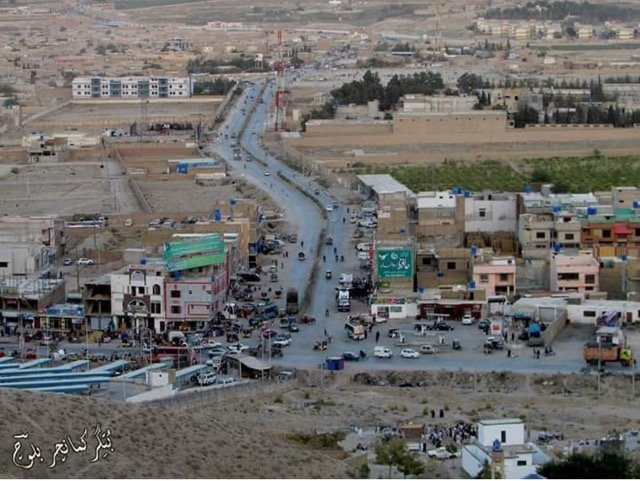
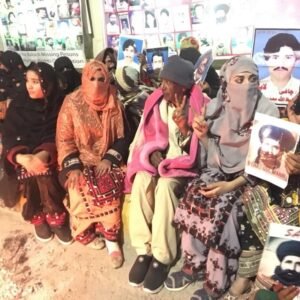
Photo: @Balochistan Council for Human Rights
By Rahmatullah Achakzai
The appointment of Rahman Gul, a former Pakistan Army captain, as commander-in-chief of the Baloch Liberation Army (BLA) is more than a leadership change inside one of Pakistan’s most potent insurgent groups. It reflects an effort by the BLA to adapt its strategy at a time of intensifying conflict in Balochistan, growing attacks on security forces, and increasing regional tensions. While the immediate impact will be felt inside Pakistan, the consequences may also extend across the Durand Line into Afghanistan.
According to reports from the BLA and profiles cited by analysts, Gul served in Pakistan’s military before leaving the army around 2010 and joining the insurgency. Over the years, he rose through the organization’s ranks, commanding the Majeed Brigade and serving on the senior command council before being selected to replace Bashir Zeb. The leadership transition follows internal discussions about the future direction of the movement and comes amid broader debates over the costs and effectiveness of recent military operations.
For the BLA, Gul’s military experience carries symbolic and practical significance. Symbolically, the rise of a former army officer reinforces the organization’s narrative that dissatisfaction with the Pakistani state extends beyond traditional nationalist circles. Practically, his military background may shape operational planning and command structures at a time when the group is seeking to sustain pressure on Pakistani forces while limiting its own losses.
The most important regional question is whether a more effective or more adaptive BLA will lead Pakistan to intensify pressure on the Taliban government in Afghanistan.
Although the BLA is distinct from the Tehreek-e-Taliban Pakistan (TTP), Islamabad increasingly views insurgent violence through a cross-border security lens. Pakistani officials have repeatedly accused Afghanistan of failing to prevent militant groups from using its territory, allegations that the Taliban authorities consistently reject. If violence in Balochistan increases under Gul’s leadership, Pakistan may seek to link its concerns about Baloch militancy to the broader security dialogue with Kabul.
Such pressure would not necessarily require Pakistan to present public evidence of BLA sanctuaries inside Afghanistan. Instead, Islamabad could use the deteriorating security situation to push for greater intelligence cooperation, stricter controls along the Durand Line, and additional commitments from the Taliban administration. The issue would become part of a wider pattern in which Pakistan seeks assurances that Afghan territory is not being used by armed groups hostile to the Pakistani state.
The Taliban Face a Familiar Dilemma
For the Taliban, this would create a familiar dilemma. Since returning to power in 2021, the movement has attempted to maintain working relations with Pakistan while resisting external demands that it views as infringements on Afghan sovereignty. A worsening insurgency in Balochistan could therefore deepen existing tensions, particularly if Pakistan increases diplomatic or security pressure on Kabul.
Whether Gul ultimately changes the trajectory of the conflict remains uncertain. Leadership transitions do not automatically translate into strategic victories. Yet his appointment signals a new phase in the BLA’s evolution. As Pakistan recalibrates its response, Afghanistan may once again find itself drawn into a security dispute that extends beyond its borders.
For the Taliban authorities, the challenge will be to avoid becoming the focal point of Pakistan’s search for answers to an increasingly complex insurgency.
Rahmatullah Achakzai is a journalist based in Balochistan, covering human rights, regional politics, and cross-border issues.
Note: The contents of the article are the sole responsibility of the author. Afghan Diaspora Network will not be responsible for any inaccurate statements in the articles.