Displacement Fears Intensify in Noshki District
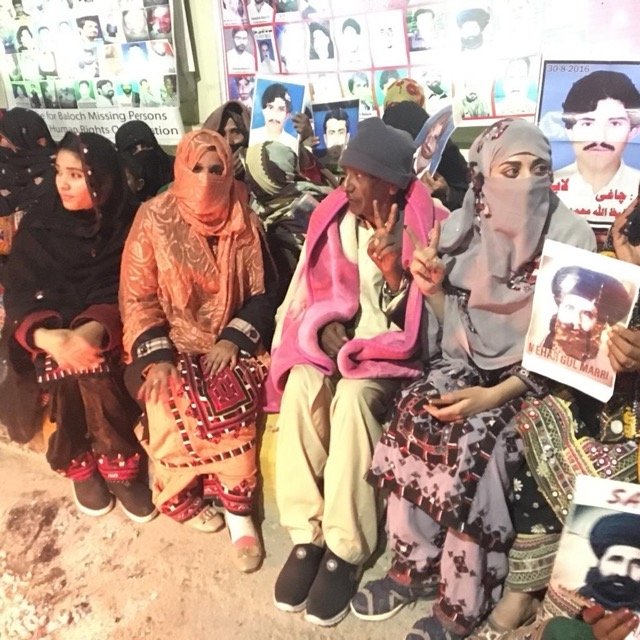
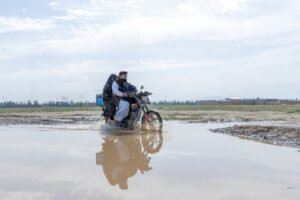
Photo: @Human Rights Council of Balochistan
“We will not be driven from our homes and ancestral areas. Our graves may be made here, but we will not leave our land.”
By Kadeem Baloch
Noshki, a district in western Balochistan near the Afghanistan border, has become the center of growing alarm as local leaders warn that recent security measures may be laying the groundwork for forced displacement. The area connects Pakistan to the Chagai region and has long been subject to heavy militarization. But political and community representatives say the current restrictions have crossed a dangerous threshold.
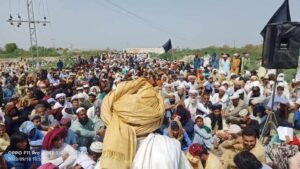
At a press conference in the Noshki Press Club, leaders of the All Parties alliance said residents from Noshki town, Ahmed Wal, Batto, Jorkain and surrounding localities were facing unprecedented pressure. They accused security forces of imposing curfews, digging up roads, and erecting barriers that have effectively sealed off large parts of the district.
Their central warning was clear: these measures appear designed to prepare for the displacement of Ahmed Wal’s residents, a community that has lived on the land for generations.
“We will not be driven from our homes and ancestral areas. Our graves may be made here, but we will not leave our land,” the leaders said, rejecting any attempt to push families from territory they consider inseparable from identity and history.
According to the alliance, nearly 98 per cent of Noshki’s population is being treated as if under suspicion. Movement has been restricted to the point that patients struggle to reach hospitals at night, and emergency transfers outside the district have become nearly impossible. Even vehicles carrying bodies have reportedly been stopped for hours at checkpoints, adding emotional strain to grieving families.
Education has also suffered. Teachers and students are unable to reach government schools on time, with several routes blocked entirely. Markets in Ahmed Wal, Batto and Jorkain remain closed, cutting off livelihoods and access to basic goods. The leaders demanded the reopening of all routes—from Kuchaki to Kotal and from Zarochah to Albat—and the restoration of essential services including gas, electricity and fertilizer supplies for farmers.
Concerns have deepened over reported drone flights in Ahmed Wal. Local representatives say such surveillance violates the sanctity of homes and private life, reinforcing fears that residents are being monitored ahead of potential removal rather than protected.
These warnings come amid a broader pattern of rights violations documented across Balochistan. The Human Rights Council of Balochistan reported 105 enforced disappearances and 59 killings in July 2026, describing a climate in which security operations routinely target civilians. Leaders in Noshki linked these trends to their own situation, arguing that displacement often begins with militarization, movement restrictions, and the criminalization of entire communities.
They also criticized the district administration for failing to address rising theft and robbery, noting that key posts—including the deputy commissioner—remain vacant. Without functioning civilian governance, they said, residents are left vulnerable to both insecurity and arbitrary state action.
The All Parties alliance demanded the withdrawal of any displacement plans, the reopening of all routes, and the restoration of normal civilian life. If authorities fail to act, they warned, protests will expand across the district and escalate to the provincial and federal levels.
The author chooses a pseudonym. Kadeem Baloch is a freelance journalist based in Pakistan.
Note: The contents of the article are the sole responsibility of the author. Afghan Diaspora Network will not be responsible for any incorrect statements in the articles.