Pakistan’s Intensifying Crackdown on Afghan Refugees
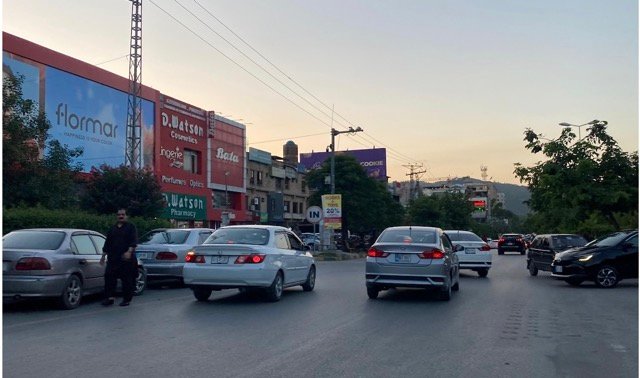
Islamabad, Pakistan's capital
By Dawood Jabarkhail
Peshawar – Pakistan’s latest wave of arrests targeting Afghan refugees reflects a deeper structural shift in the country’s migration governance. Although Pakistan has hosted Afghan refugees for more than four decades, the current pattern of raids, detentions, and forced removals marks one of the most aggressive enforcement phases in recent years.
Reports indicate that around 1,500 Afghans have been detained across several refugee camps in recent days, with operations particularly intensified in Peshawar and surrounding districts.
According to local accounts, nearly 100 Afghans were detained from a mosque in the Khazana camp area, an incident that triggered widespread fear and public concern.
Residents say the arrests occurred during prayer time, reinforcing the perception that no space—religious, domestic, or communal—is safe from police intervention. Such incidents have amplified anxiety among refugee families who already face significant uncertainty about their legal status and future prospects.
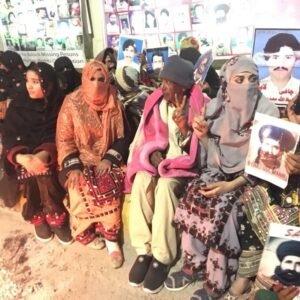
Afghan refugees report that police raids, document checks, and mass detentions have increased sharply in recent weeks. Many families say they can no longer carry out daily activities without fear of arrest. Children have stopped attending school, and workers avoid leaving their homes, disrupting livelihoods and deepening social isolation. Some refugees claim that even individuals with valid documentation face harassment, including demands for bribes in exchange for release.
Human rights organizations warn that the continuation of these operations will further deteriorate the humanitarian situation for thousands of families.
Mass arrests from mosques, homes, and camps contribute to an atmosphere of fear and mistrust, raising serious concerns about compliance with international human rights norms.
Advocacy groups argue that Pakistan’s approach risks criminalizing an already vulnerable population whose displacement is rooted in decades of conflict, political instability, and economic collapse in Afghanistan.
To understand the current crackdown, it is essential to situate it within Pakistan’s long and complex history with Afghan refugees. Since 1979, Pakistan has hosted millions of Afghans, at times offering hospitality and at other times imposing restrictive policies.
While many Afghans integrated into local economies and communities, Pakistan never adopted a comprehensive national refugee law. Instead, it relied on temporary documentation schemes, periodic registration drives, and ad hoc enforcement measures. This legal ambiguity has left refugees perpetually vulnerable to shifts in political mood, security narratives, and bilateral tensions with Afghanistan.
In recent years, Pakistan has increasingly framed Afghan refugees through a security lens, linking them to crime, militancy, or economic strain.
Domestic political pressures, economic challenges, and strained relations with Taliban-controlled Afghanistan have further reinforced this securitized approach.
The delays in third‑country resettlement programs and the worsening situation inside Afghanistan have left thousands of families trapped between an unwelcoming host state and an unsafe homeland.
Analysts argue that while Pakistan cites security and economic pressures, coercive measures alone cannot resolve the refugee issue.
Sustainable solutions require regional cooperation, predictable legal frameworks, and adherence to humanitarian principles. Without such measures, mass arrests and forced returns risk deepening instability, harming refugee communities, and undermining Pakistan’s own social cohesion.
Note: The contents of the article are the sole responsibility of the author. Afghan Diaspora Network will not be responsible for any incorrect statements in the articles.