Rights Erode as Durand Line Tensions Escalate
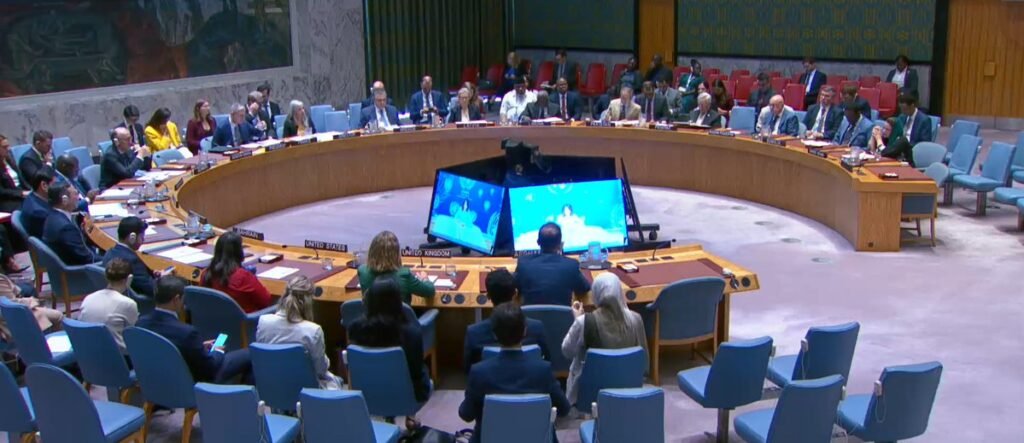
Photo: @UNAMA News
A country that looks calm on the surface but is cracking underneath.
Five years after the Taliban swept back into power, Afghanistan is living through a tightening squeeze on basic rights and a growing security storm along the Durand Line, where tensions with Pakistan are rising fast. A new briefing to the UN Security Council paints a stark picture: a country that looks calm on the surface but is cracking underneath.
UN officials say the Taliban are eager to show confidence — pointing to improved security, new roads, and a more stable currency. But behind that narrative sits a harsher reality. Women and girls face the most severe restrictions in the country’s modern history.
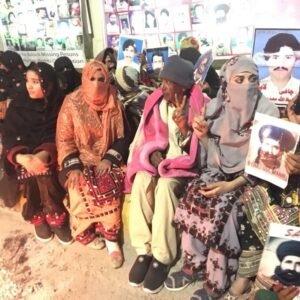
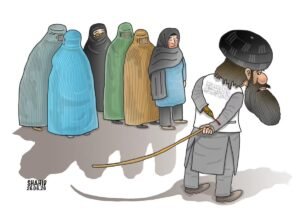
UNAMA has documented arrests in Herat for dress code violations, protests crushed with force, and a long list of new rules that make daily life for women almost impossible. One woman in Kandahar summed it up: “If we follow one rule, another one comes next.”
The pressure extends beyond women. Journalists are being detained, minority communities report intimidation, and media outlets are shutting down. UNAMA’s latest report shows that 95 percent of Afghans interviewed still suffer psychological trauma from decades of conflict — a reminder that stability is not the same as peace.
The humanitarian picture is equally grim. Afghanistan’s economy remains fragile, heavily dependent on imports, and squeezed by rising prices. UNICEF says 3.7 million children are malnourished, including one million in severe danger. Aid agencies are running out of money, with the 2026 response plan only 30 percent funded. Clinics, nutrition centers, and women’s protection services are closing. Meanwhile, nearly 1.2 million Afghans returned from Pakistan and Iran this year alone, part of a massive wave of forced returns that has pushed total deportations to 6.5 million since 2023.
This return crisis is directly tied to rising tensions along the Durand Line. Pakistan’s mass deportations have uprooted families overnight, often without warning. Amnesty International’s investigation into Pakistan’s Kabul strike, which may amount to a war crime, has further poisoned relations. The strike, carried out under the claim of targeting militants, killed civilians and deepened mistrust between Islamabad and the Taliban.
Trade has also taken a hit. Tolo News reports that disruptions along the Durand Line have crippled commerce, leaving traders stranded and goods stuck for weeks. With the economy already weak, these interruptions are pushing Afghan households deeper into poverty.
Security concerns are rising on both sides. Pakistan accuses Afghan-based militants of cross‑border attacks. The Taliban deny responsibility and accuse Pakistan of violating Afghan sovereignty. The result is a dangerous cycle of retaliation, sporadic clashes, and political blame — all happening while civilians pay the price.
UN officials warn that Afghanistan’s crisis is no longer contained. Rights violations, mass deportations, radicalization, and Durand Line tensions are feeding each other, creating a regional emergency with no quick fix.