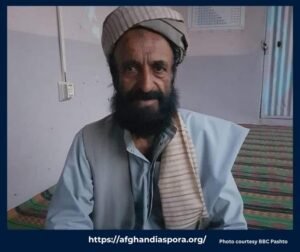
Shapoor Zadran: Afghanistan’s Fallen Giant
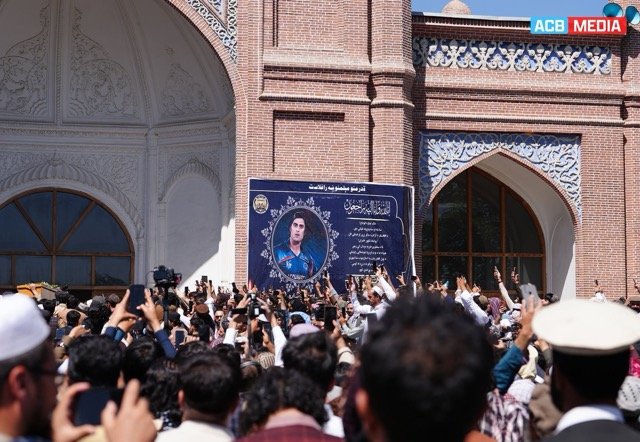
Shapoor Zadran's funeral in Kabul. Photo: @Afghanistan Cricket Board
Shapoor Zadran’s name will remain etched in the history of Afghan cricket—a fallen giant whose spirit built a nation’s sporting future.
Afghanistan is mourning the loss of Shapoor Zadran, one of its earliest cricket heroes, who passed away at 38 after a prolonged battle with HLH, a rare immune disorder. His death has triggered a wave of grief across Afghanistan and the global cricketing community, reflecting the profound impact he had on the sport’s rise and on the people who followed his journey.
Shapoor was a pioneer — a towering left‑arm quick whose fierce run‑up, explosive pace, and unforgettable celebrations became symbols of Afghanistan’s early cricketing identity. As the International Cricket Council noted in its tribute, he was central to Afghanistan’s ascent, playing a key role in historic milestones, including the country’s first Cricket World Cup appearance in 2015.
International media echoed this sentiment. BBC Sport highlighted his role in transforming Afghanistan from an emerging team into a respected international side. ESPN described him as a foundation‑layer, while Gulf Times reported thousands attending his funeral. The Times of India explained the rare illness he fought, underscoring his courage in his final months.
The Afghanistan Cricket Board called him one of the foundation‑laying figures of Afghan cricket, praising his dedication, passion, and unwavering commitment. They said his achievements will never be forgotten and that his memory will remain alive in the hearts of Afghan fans and future generations.
His passing resonated far beyond Afghanistan. Pakistan’s cricket legend Shahid Afridi called him a respected competitor and a proud representative of Afghan cricket. Several former international fast bowlers from India, Sri Lanka, Australia, and South Africa expressed their condolences, describing Shapoor as fearless, charismatic, and one of the bowlers who helped put Afghan pace bowling on the global map. Members of the wider cricket fraternity shared messages of solidarity, noting that Shapoor’s journey from refugee camps to the World Cup inspired millions.
Afghan journalist Lotfullah Najafizada wrote that Afghanistan had lost one of its finest cricketers and a kind human being, gone far too soon. Afghan players shared emotional messages. Mohammad Nabi said Shapoor was not only a close friend but a true servant of his country and a symbol of Afghan pride, adding that his name and service will live forever in the hearts of the people. Afghanistan’s ODI captain Hashmatullah Shahidi said he had lost not just a friend but a brother, calling Shapoor a true hero whose courage, love, and smile will remain alive in their hearts.
Former president Hamid Karzai attended Shapoor’s funeral at Eidgah Mosque, offering prayers and condolences to the family. In his statement, he said Shapoor’s death deeply saddened him, calling the cricketer one of Afghanistan’s earliest stars who strengthened the national team with unforgettable efforts. He prayed for Shapoor’s eternal peace and for patience for his family. Afghanistan’s other former president Ashraf Ghani described him as a “tall chinar” whose fall leaves Afghan cricket without a star and Afghan youth without a role model.
Shapoor’s career was filled with defining moments: fearless spells against top teams, emotional victories that united a nation, and celebrations that became part of Afghanistan’s cricketing soul. For many young Afghan fast bowlers, he was the first hero they ever saw — a man who proved that talent, discipline, and heart could overcome every barrier.
His passing is not just the loss of a former player; it is the loss of a pioneer, a mentor, and a national symbol. Afghanistan mourns him deeply, but his legacy will continue in every young cricketer who dreams of wearing the national jersey, in every victory the country celebrates, and in every story told about how cricket became Afghanistan’s greatest source of unity.
Shapoor Zadran’s name will remain etched in the history of Afghan cricket—a fallen giant whose spirit built a nation’s sporting future.