Afghan Refugees in Pakistan Face Night Raids and Fear‑Driven Survival
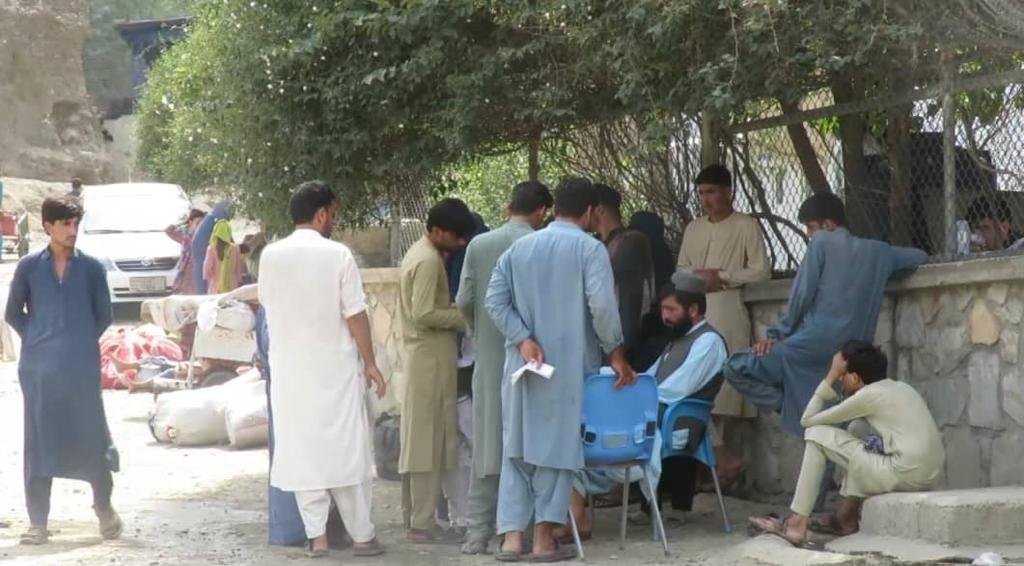
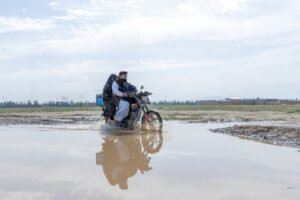
Afghan refugees along the Durand Line on Afghanistan's side. Photo: @Afghan for ADN
Pakistan’s approach has grown even more confrontational, marked by military airstrikes inside Afghanistan that killed civilians and sparked widespread outrage
By Dawood Jabarkhail
In Peshawar, Afghan refugees say their lives have collapsed into a cycle of daytime labor and nighttime fear as police raids, economic pressure, and lack of legal documents push them into extreme vulnerability. Many describe a harsh routine: working long hours for minimal pay, then hiding in graveyards, half‑built buildings, or open fields to avoid arrest.
“We leave early in the morning to look for work. But at night, out of fear of the police, we sleep in graveyards, half‑built buildings, or open places. This life is very hard,” explained one Afghan refugee in Peshawar.
Refugees say police operations have intensified in recent months, creating constant anxiety. Another man says: “When we go to work, we are always afraid that we will be arrested on the way. Sometimes we even lose work because people don’t hire us—they fear the police will come after them for employing Afghans.”
For young Afghan construction workers, the pressure is relentless. One of them says, “We work ten or twelve hours every day, but the income is still not enough to pay rent, food, and other expenses. If we can’t pay rent, the landlord throws us out.”
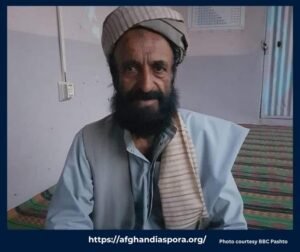
Even long‑settled families feel unsafe. A 60‑year‑old refugee who has lived in Pakistan for more than two decades says:
“We have lived here for over twenty years. Our children grew up here. But now we feel like we could be arrested or expelled at any moment. We don’t know what will happen tomorrow.”
Women describe the emotional toll on their children. One Afghan woman says, “Our biggest worry is the children. When we hear about police operations at night, the children cry out of fear. They don’t understand why we keep moving from one place to another or why we cannot live a peaceful life.”
Access to basic services has also deteriorated. Without legal documents, many Afghan refugees in Peshawar say they cannot easily reach health centers, schools, or other essential services. Job opportunities have shrunk as employers avoid hiring Afghans to escape police scrutiny.
These hardships unfold amid increasingly hostile rhetoric in Pakistan, where some political voices portray Afghan refugees as criminals, security threats, or economic burdens. Refugees say this atmosphere has emboldened police crackdowns and made daily life even more precarious.
In recent weeks, Pakistan’s approach has grown even more confrontational, marked by military airstrikes inside Afghanistan that killed civilians and sparked widespread outrage.
Afghan refugees in Pakistan say these attacks have intensified the hostile climate they already face, feeding suspicion, police aggression, and public resentment toward Afghans. Many describe hearing comments that frame them as “responsible” for Afghanistan’s instability or as “extensions” of the conflict across the border.
Afghan refugees say this rhetoric, combined with state pressure, has made them feel trapped between two dangers: violence in Afghanistan and persecution in Pakistan.
Afghan refugees are calling on Pakistani authorities to treat them according to the law and basic humanitarian principles. They also urge the United Nations, international aid organizations, and Afghan institutions to take their situation seriously and help find safe, dignified solutions for families who have lived through decades of instability and displacement.
For now, many Afghan refugees in Peshawar continue their painful routine: working during the day to survive and spending nights hiding from the very forces they fear may uproot them again.
Note: The contents of the article are the sole responsibility of the author. Afghan Diaspora Network will not be responsible for any incorrect statements in the articles.