Afghans on the Run Through Irregular Migration Routes
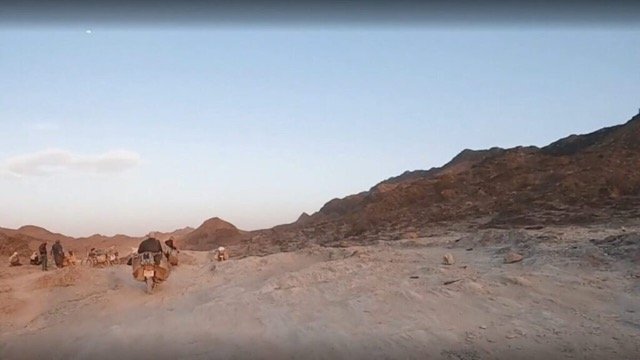
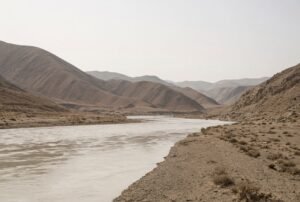
A key desert transit point on the Nimroz–Balochistan smuggling route.
By Dawood Jabarkhail
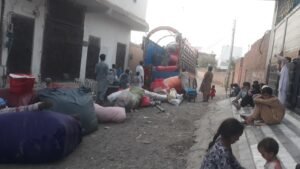
In recent weeks, social media has been flooded with images and videos showing Afghans attempting to leave the country through dangerous smuggling routes. These scenes capture the harsh and risky journeys undertaken by thousands of people in search of a better life.
One Afghan who made this journey describes the experience vividly: “When I left Nimroz, I thought maybe one person from each household was leaving. But when I reached Balochistan, it felt like half of Afghanistan was on the move. And when I arrived in Kalkaan, it seemed as if the entire nation was leaving the country — we were just a little ahead of them.”
According to him, thousands had gathered in the Kalkaan area, and each smuggler was leading groups of more than a hundred people. These groups included not only young men but also elderly people, women, and children — all driven by despair and a lack of prospects at home.
Kalkaan is an informal desert gathering point on the Nimroz–Balochistan smuggling route, where thousands of Afghan migrants assemble before being taken deeper into Pakistan.
A Country in Crisis
The current situation in Afghanistan forms the critical backdrop to this mass migration. Since 2021, restrictions on women and girls’ education, the collapse of the job market, shrinking civic space, media censorship, and increased political and social pressure have darkened the country’s future.
According to United Nations reports, Afghanistan is facing one of the world’s worst humanitarian crises; nearly half the population is at risk of hunger, and widespread unemployment has shattered the economic foundations of families.
Security concerns also remain high. Former security personnel, activists, journalists, and civil society members continue to fear arrest, torture, or retaliation. Many families say they can no longer imagine a future for their children in the country — not when education is restricted and basic rights are uncertain. These pressures have pushed many Afghans to take dangerous routes, despite the risks of hunger, exhaustion, accidents, abuse by smugglers, and arrest.
But the challenges do not end at the border. Those who manage to reach Europe or other destinations face new obstacles: lack of documentation, limited access to work and education, restricted healthcare services, and long, uncertain legal processes to secure their status.
Analysts emphasize that tightening border controls alone cannot address this crisis. The real solution lies in creating conditions inside Afghanistan that give people a reason to stay — economic stability, job opportunities, security, and the protection of fundamental rights.
Afghans who embark on these long smuggling journeys are not simply looking for a way out; they are searching for a future they can no longer find at home.
Note: The contents of the article are the sole responsibility of the author. Afghan Diaspora Network will not be responsible for any incorrect statements in the articles.