Taliban’s 2025 Crackdown: Afghan Women Face Escalating Rights Violations
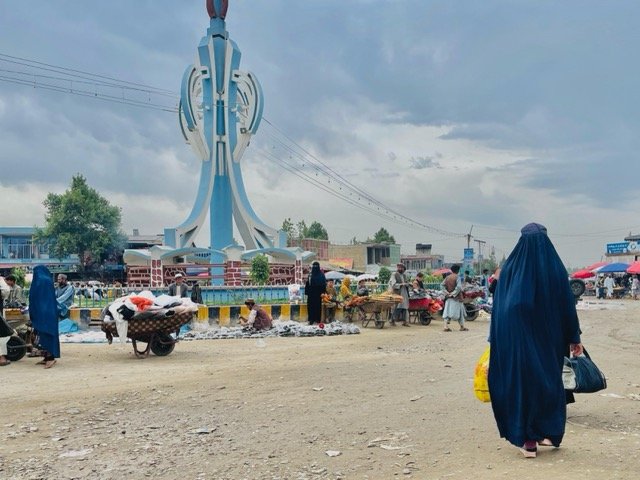
Photo: @AADIL
By Kazim Jafari
Rawadari’s Afghanistan Human Rights Situation Report 2025, released in March 2026, documents a sharp deterioration in civil and political rights under Taliban rule. Based on interviews across 30 provinces, the report shows a dramatic rise in violence, with women and girls bearing the heaviest impact.
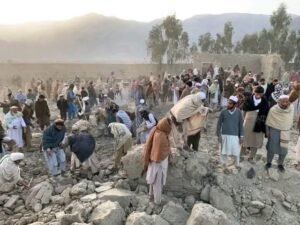
Violations of the right to life increased by 50 percent compared to 2024, reaching 1,154 cases. At least 617 people were killed and 537 injured. Pakistani airstrikes in border provinces alone caused 324 civilian casualties, including many women and children. These strikes, linked to escalating clashes between Pakistani forces and the Taliban, hit Kandahar, Helmand, Paktia, Paktika and Khost.
In September, October and December 2025, Pakistani airstrikes in Spin Boldak and parts of Helmand left 270 people dead or wounded. On 27 August, a strike in Khost’s Spera district killed three children and injured three women and one man from the same family.
On 17 October, four strikes in Paktika’s Barmal and Urgun districts killed eight civilians — including three cricket players — and wounded seven others. A midnight bombing in Khost’s Garba district on 25 November wiped out an entire family: nine children and one woman were killed, and three others injured.
A resident described the aftermath as “panic and terror… it was nearly impossible to distinguish the bodies.”
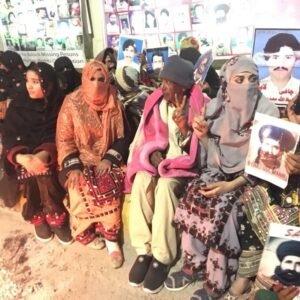
Targeted killings, enforced disappearances, and arbitrary arrests also surged. Former officials, activists, and journalists remain primary targets.
More than 2,000 people were detained in 2025, including dozens of women accused of “vice” violations. Torture in detention facilities continues unchecked, and Taliban courts openly impose flogging, stoning, and other cruel punishments in violation of international law.
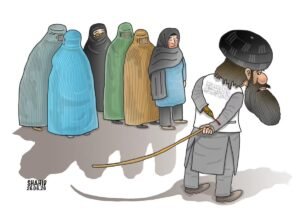
Conditions for women and girls have worsened dramatically. The August 2024 Promotion of Virtue and Prevention of Vice law has transformed restrictions into systematic persecution. Rawadari and the People’s Tribunal for Women of Afghanistan conclude that these abuses amount to gender persecution under the Rome Statute.
Education bans now affect even younger girls. In several provinces, full hijab, face coverings, and male guardianship are mandatory. Secret schools have been raided and shut down, with teachers arrested.
Women are being pushed out of jobs in health and education, and hospitals have become surveillance zones where unaccompanied women are denied treatment. Women‑run mental health services have been dismantled.
Freedom of movement has nearly disappeared. Women are barred from parks, shops, and even short walks without a male escort. Drivers and shopkeepers risk arrest for assisting them. Access to justice has collapsed: domestic violence cases are dismissed with calls for “reconciliation,” and no shelters exist for survivors.
These policies are deliberate, expanding, and enforced through fear. Media censorship, internet shutdowns, and threats against witnesses have created an environment of total impunity.
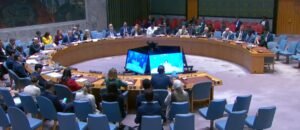
Rawadari urges the Taliban, the United Nations, and the international community to act immediately: repeal discriminatory laws, restore fundamental rights, and end the culture of impunity.
Without sustained pressure, the patterns documented in 2025 risk becoming permanent — and Afghan women and girls will continue to pay the highest price.
Kazim Jafari is a political science student at the University of Heidelberg in Germany.
Note: The contents of the article are the sole responsibility of the author. Afghan Diaspora Network will not be responsible for any incorrect statements in the articles.