Citizenship Rising for Afghans, Yet Vienna Wait Times Drag On
@VIDC
ADN
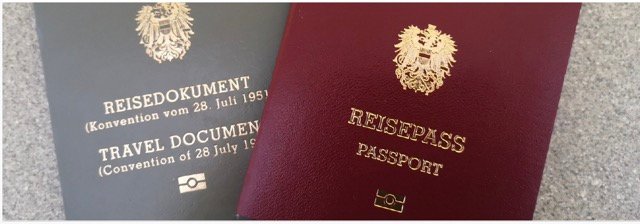
Austria recorded a sharp rise in naturalizations in the first quarter of 2026, with 6,641 people receiving citizenship — a 21.2% increase compared to the same period last year, according to Statistik Austria.
Of the new citizens living in Austria, 420 were Afghans, making them the third‑largest group after Syrians and Turks. Afghans accounted for 9% of all naturalizations among residents, confirming their position as one of the country’s most established and steadily integrating communities.
The Statistik Austria report shows that the strongest growth came from people who had lived in Austria for at least six years, a category that rose by 40.8%.
Family‑based naturalizations also increased significantly, with 1,578 spouses and children gaining citizenship—nearly three‑quarters more than in early 2025.
Vienna, Styria, and Carinthia recorded the largest overall increases, mirroring regions where Afghan communities have grown most visibly.
But behind these positive national figures, many Afghans describe a very different reality at the local level. Several Afghans speaking to the Afghan Diaspora Network (AND) said their citizenship process has taken between 2 and 12 years in Vienna alone.
Many Afghans pointed to MA 35, the municipal authority responsible for naturalization, as the main bottleneck. Applicants described the waiting times as “unbearably long,” with some saying they had waited years just for an appointment or a response.
Multiple applicants told ADN that they had met every legal requirement, submitted all documents, and passed all necessary checks—yet still felt they were facing institutional delays.
Some said they believed Afghans were being “pushed to the back of the line,” even when their files were complete. These experiences stand in contrast to the rising national numbers, suggesting that the pace of naturalization depends heavily on regional administrative capacity and local practices.
Despite these frustrations, the upward trend is clear: Afghans are becoming one of Austria’s most frequently naturalized communities. Their growing presence—and their concerns about fairness and transparency—are increasingly shaping Austria’s broader debate on citizenship, integration, and equal treatment.