Pakistan’s New Strike on Kabul Kills Scores at Drug Treatment Centre
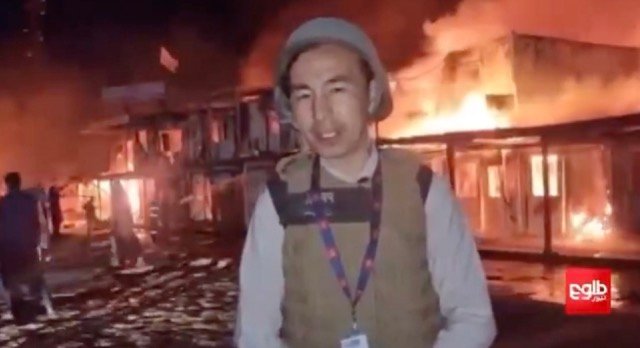
A TOLOnews journalist reports from the Kabul rehabilitation centre struck by Pakistani airstrikes.
By Kazim Jafari
Pakistan launched a new airstrike on Kabul late Monday, hitting a large drug rehabilitation center and causing mass casualties, according to Afghan officials and eyewitnesses. The attack, one of the deadliest in the recent wave of strikes, has drawn sharp condemnation from Afghan leaders and diaspora communities, who say civilians are being deliberately targeted.
The 1,000‑bed rehabilitation hospital in eastern Kabul was struck without warning, officials said. The facility housed patients undergoing long‑term treatment for drug addiction, along with medical staff and visiting relatives. Emergency workers reported that they were still recovering bodies hours after the strike as fires continued to burn around the compound.
Preliminary figures released by Afghan authorities suggest the death toll could be extraordinarily high. Early estimates indicate that more than 250 patients may have been killed, with hundreds more injured.
Local journalists who reached the site described scenes of extensive destruction. A TOLOnews reporter said colleagues saw “bodies everywhere,” calling the aftermath one of the most devastating attacks on a civilian facility in Kabul in years.
The Afghan Ministry of Interior said children were among those killed, adding that the strike had severely disrupted medical services for some of the city’s most vulnerable residents. International reporting also noted that many of the victims were patients brought from across Afghanistan for treatment.
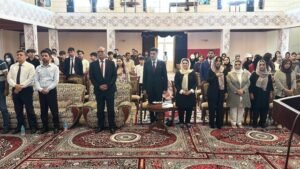
The attack prompted strong reactions from Afghan political figures and members of the diaspora. Dr. Alema Alema, a former Afghan government official based in Germany, condemned the strike and said Pakistan’s actions reflected a long pattern of hostility toward Afghanistan. She warned that civilians and essential infrastructure were being repeatedly targeted and called for unified opposition to the ongoing attacks.
Rahmatullah Nabil, former intelligence chief of Afghanistan, described the bombing as “a stain of shame that will never be erased from the memory of the people of Afghanistan.”
He said targeting patients and defenseless individuals “cannot be called a security operation or a fight against terrorism,” arguing that the strike represented a clear disregard for human life and fundamental humanitarian principles.
“No country can achieve security by killing civilians,” he said, urging the international community not to remain silent.
Taliban spokesperson Zabihullah Mujahid confirmed that the rehabilitation center was hit and said several patients were killed or wounded. He condemned the attack as a violation of Afghanistan’s sovereignty and international norms, adding that the assault would not go unanswered.
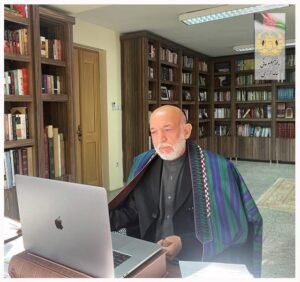
Former Afghan president Hamid Karzai issued one of the strongest statements, denouncing what he described as heavy bombardment of residential and civilian areas, including medical facilities. He warned Pakistan’s military leadership that continued attacks would only worsen the situation and ultimately harm Pakistan’s own stability. Karzai urged Islamabad to reconsider its policies and engage with Afghanistan through peaceful and responsible channels.
Journalist and former government spokesperson Shahussain Murtazawi also called for a unified response, noting that the attack came as Kabul residents were preparing for Nowruz and Eid. He said the strike had deepened public anxiety and added to the sense of insecurity felt across the country.
The full casualty count remains unclear as emergency teams continue their work. The latest strike marks a further escalation in a confrontation that has intensified in recent weeks, raising fears of a widening conflict and leaving Afghan civilians increasingly vulnerable.
Kazim Jafari is a political science student at the University of Heidelberg in Germany.
Note: The contents of the article are the sole responsibility of the author. Afghan Diaspora Network will not be responsible for any incorrect statements in the articles.