Afghanistan Tops the World’s Unhappiest Nations
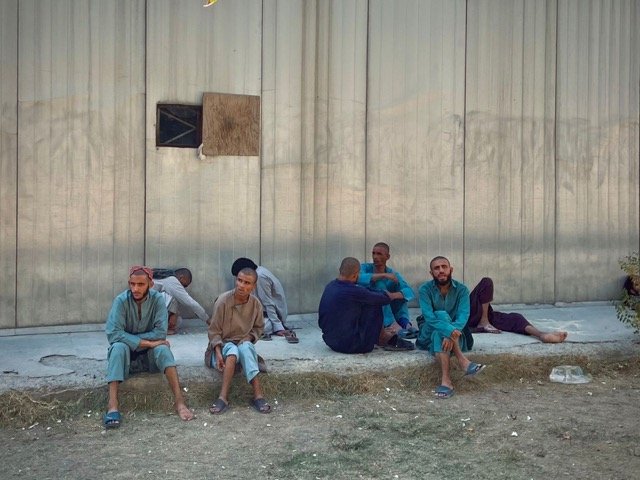
Photo: @AADIL for ADN
By Kazim Jafari
Afghanistan has once again been named the unhappiest country in the world, according to the latest global happiness rankings published by World Population Review. With an average life evaluation score of 1.446, Afghanistan sits firmly at the bottom of the list, far behind even other conflict‑affected nations.
The rankings are based on three‑year averages, meaning the 2025 results reflect data collected between 2022 and 2024. This approach helps smooth out short‑term fluctuations and provides a more stable picture of national well‑being. The index draws on Gallup World Poll data across six categories: GDP per capita, social support, healthy life expectancy, freedom to make life choices, generosity, and perceptions of corruption.
Afghanistan performs poorly across nearly all indicators. Since 2021, the country has faced a rapid deterioration in personal freedoms, particularly for women and girls, who remain barred from secondary and higher education and excluded from most forms of employment. These restrictions directly undermine two pillars of the happiness index: freedom and social support.
Economic collapse has further intensified the crisis. With international aid sharply reduced and unemployment soaring, millions of Afghans struggle to meet basic needs. High levels of perceived corruption and limited trust in institutions also weigh heavily on national well‑being.
However, some analysts argue that the criteria used to measure happiness reflect a largely Western understanding of well‑being, one that may not fully capture cultural or communal dimensions in countries like Afghanistan.
While it is undeniable that Afghanistan’s GDP is low and its social and economic conditions are worse than many nations, critics note that indicators such as individual autonomy, institutional trust, and perceptions of corruption may not hold the same meaning across different societies. This raises questions about whether the global index fully reflects Afghan realities or applies a universal standard shaped by Western values.
The report also highlights data limitations: several countries lack recent survey information, requiring reliance on older polling. Afghanistan, however, has consistent data, making its ranking both current and difficult to dismiss.
Even with methodological caveats, Afghanistan’s position reflects undeniable realities: prolonged conflict, authoritarian governance, and the exclusion of women from public life have profoundly damaged national well‑being.
In a world where happiness increasingly correlates with stability, opportunity, and rights, Afghanistan’s ranking remains a stark reminder of the human cost of political and social upheaval.
Kazim Jafari is a political science student at the University of Heidelberg in Germany.
Note: The contents of the article are the sole responsibility of the author. Afghan Diaspora Network will not be responsible for any incorrect statements in the articles.