Afghan Refugees Face Growing Risks as War Escalates in Iran
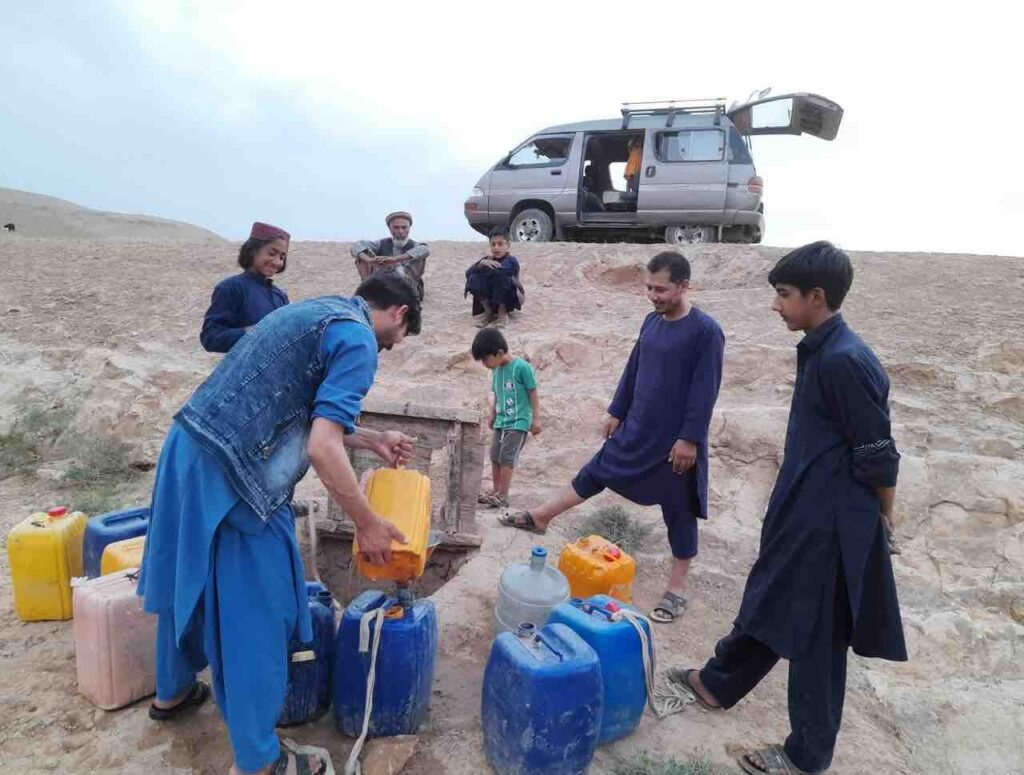
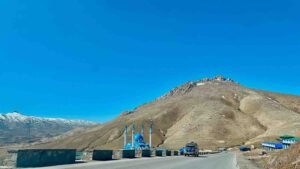
A village in western Herat province near the Iranian border. Photo: @NRC
By Ilhamuddin Afghan
The Israel–Iran war that erupted on 28 February 2026 has rapidly altered the conditions under which millions of Afghans live inside Iran. What had long been a difficult but relatively stable refuge has turned into an environment marked by insecurity, economic paralysis, and deepening uncertainty.
As Israeli strikes hit multiple Iranian cities and Iran retaliates, Afghan refugees – already among the most vulnerable groups in the country – find themselves exposed to the full force of a regional conflict they did not choose yet cannot escape.
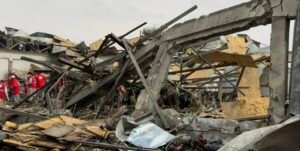
The first shock came from the intensity of the attacks. Israeli strikes across Iran have killed more than one thousand civilians and injured thousands, according to early UN briefings, creating a climate of fear that affects both citizens and refugees.
Afghan families living in poorer districts of Tehran, Isfahan, and Mashhad describe nights filled with explosions, power outages, and air‑raid sirens. Many have begun leaving major cities for smaller towns or border regions, hoping to escape the worst of the bombardment.
UN officials note that the conflict has already disrupted essential services and strained humanitarian operations, with staff mobilizing across Iran and neighboring countries to respond to the escalating crisis.
The war has also deepened the economic fragility Afghans face. Iran’s economy, already weakened by sanctions and inflation, has been pushed into further turmoil. Jobs in construction, manufacturing, and informal labor – sectors where Afghans are heavily concentrated – have disappeared almost overnight. Prices for food, fuel, and transportation have surged, leaving many families unable to meet basic needs. For undocumented Afghans, who often avoid official assistance out of fear of detention or deportation, the crisis is even more acute.
At the same time, the conflict has disrupted migration routes that many Afghans relied on.
Iran has long served as a transit corridor for those hoping to reach Türkiya and eventually Europe. With borders tightening and regional mobility collapsing, thousands now find themselves trapped.
Reports from the region show that Afghans who once planned to move onward are instead turning back toward Afghanistan, joining a broader trend of return migration that has accelerated since 2023.
Human Rights Watch notes that more than three million Afghans have already returned from Iran and Pakistan in recent years, driven by economic pressure, deportations, and shrinking opportunities.
For many, returning to Afghanistan is a painful calculation. The country remains economically fragile, with limited aid and high unemployment. Yet the intensifying conflict in Iran has made staying increasingly untenable.
Afghan families weighing their options describe choosing between insecurity in Iran and uncertainty at home – a choice shaped not by hope but by necessity.
The war’s impact on Afghan refugees underscores how regional conflicts reverberate through the lives of displaced populations. As long as the fighting continues, Afghans in Iran will remain caught between collapsing livelihoods, restricted mobility, and the constant threat of violence.
Ilhamuddin Afghan is a university professor based in Afghanistan.
Note: The contents of the article are of sole responsibility of the author. Afghan Diaspora Network will not be responsible for any inaccurate or incorrect statement in the articles.