Austria Deepens Ties with Taliban Security Arms for Deportations
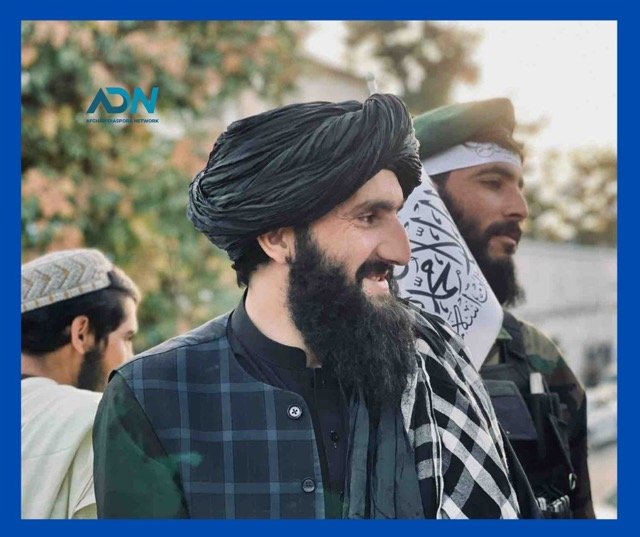
Taliban fighter in Kabul. Photo by @AADIL for ADN
Austria has escalated its operational engagement with Afghanistan’s Taliban rulers, hosting interior and intelligence officials in Vienna this week to coordinate the deportation of Afghan nationals, a move critics decry as a step toward normalizing a regime accused of systematic human rights abuses.
The revelation that Taliban representatives were in the Austrian capital for discussions with the Interior Ministry and the Federal Office for Immigration and Asylum (BFA) marks a deepening of the country’s quiet but consequential cooperation with the de facto authorities in Kabul. It continues a process that began with a controversial visit last September, according to a report in the newspaper Der Standard.
The Interior Ministry confirmed the meeting, describing it as a “necessary working session” aimed at enabling continued deportations of convicted Afghan offenders. As in previous encounters, the ministry framed the talks as purely technical, insisting that Austria’s restrictive asylum policy requires cooperation with Afghan authorities to identify individuals slated for removal.
Yet the political and ethical implications extend far beyond administrative necessity. Austria, like most Western governments, does not recognize the Taliban regime.
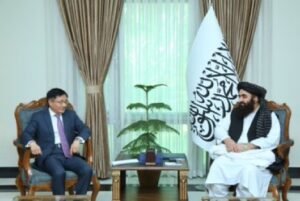
Nonetheless, it is now hosting Taliban officials in Vienna – this time not from the foreign ministry, as in 2025, but from the Taliban’s interior ministry and intelligence directorate, according to sources familiar with the delegation. This shift is significant: it suggests a move from diplomatic‑style contact to direct cooperation with the Taliban’s security apparatus.
The secrecy surrounding the visit has intensified criticism. Peter Rosandić, head of the refugee‑rights group SOS Balkanroute, condemned the meeting on social media, writing: “Terrorist welcome: Taliban in Austria and no one raises the alarm. Shame.” (Terrorist welcome: Taliban in Österreich und keiner schlägt Alarm. Schande). His reaction reflects a broader unease among rights advocates who argue that Austria is edging toward de facto normalization of a regime responsible for systematic human rights abuses.
The government’s position is that deportations concern only convicted criminals. But the Taliban’s presence in Vienna – facilitating identification procedures and negotiating return logistics – inevitably carries symbolic weight. It grants the Taliban a form of operational legitimacy, even if Austria insists that no political recognition is implied.
The Der Standard reporting underscores that this is not an isolated event. The September 2025 visit caused public uproar when Taliban officials toured detention centers and prisons in Vienna as part of the identification process. The renewed visit, held with minimal transparency, suggests that such cooperation is becoming routine.
This raises difficult questions. Can Austria credibly maintain a policy of non‑recognition while simultaneously coordinating deportations with Taliban security officials? And what does it mean for individuals returned to a country where the human rights situation remains dire?
Austria is not alone in navigating this contradiction. Germany has already carried out deportations to Afghanistan, and other European states are exploring similar pathways. But Austria’s willingness to host Taliban delegations – especially from the interior and intelligence branches – places it at the forefront of a broader European shift: the normalization of operational engagement with the Taliban driven not by diplomacy, but by migration enforcement.
As these quiet interactions deepen, the political debate in Austria is likely to sharpen. For now, the government presents the meetings as a pragmatic necessity. Critics, however, see something more troubling: a slow erosion of Europe’s moral and political red lines, carried out behind closed doors in the name of deportation policy.