Afghan Students in Pakistan Face an Uncertain Educational Future
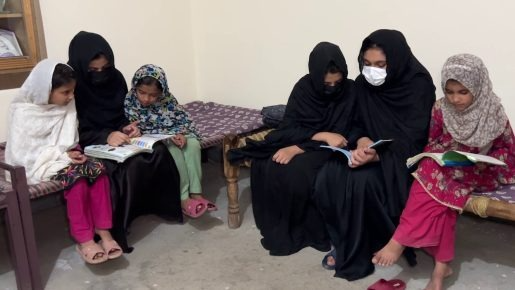
Saima and her family after being deported back to Afghanistan. Photo: @Dawood Jabarkhail for ADN
By Dawood Jabarkhail
Saima Bibi, a resident of Paktia province, is among the many Afghan students who hoped to complete their higher education in Pakistan before returning home to serve their communities. But since Pakistan began implementing its policy to deport undocumented Afghan refugees, Saima’s academic future—along with that of thousands of other Afghan students—has become deeply uncertain.
Saima told VICE PK that her dream was to finish her studies in Pakistan and then return to Afghanistan to contribute to her society.
“Unfortunately, my education was cut short, and now I fear all my dreams will remain unfinished,” she said. “This is not just my story; many Afghan girls face the same problem. My sisters and cousins were also studying here, but their education stopped halfway.”
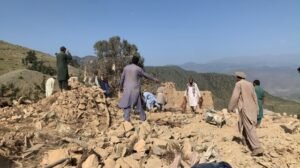
Pakistan has hosted millions of Afghan refugees for more than four decades. In October 2023, the government launched the Illegal Foreigners Repatriation Plan, under which Afghan refugees are being deported in phases.
According to official figures, on the 27th of this July alone, 2,483 Afghans returned through the Torkham crossing. Between September 2023 and March 2025, at least 470,000 Afghan refugees were sent back.
Saima’s uncle, Saeed Khan Ahmadzai, said the family had initially planned to return to Afghanistan but stayed because Pakistan offered better educational opportunities.
“We delayed leaving only for the sake of the children’s education,” he said. “Now even that hope has been taken away.”
Since the Taliban regained power in August 2021, Afghanistan has faced severe economic hardship, widespread unemployment, and sweeping restrictions on girls’ education. These conditions have made the decision to return even more difficult for Afghan families.
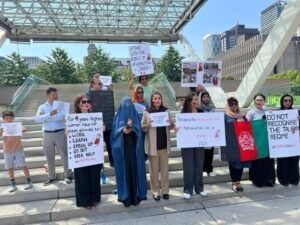
Saima has called on the Taliban to lift restrictions on girls’ education, saying that educating women is essential for Afghanistan’s progress. She also urged the Pakistani government to ease visa issuance and extension procedures for Afghan students so they can complete their studies and pursue their professional goals.
The Taliban have imposed broad limitations on women’s employment and have banned girls’ schooling beyond grade six, including university and medical education. They say these restrictions will remain until what they consider a “proper educational environment” is established.
Note: The contents of the article are the sole responsibility of the author. The Afghan Diaspora Network will not be responsible for any incorrect statements in the article.