Escalating Clashes Along the Durand Line Signal Deepening Crisis

At Spin Boldak along the Durand Line, a sign reads “Welcome to your own country” at the registration and reception center for refugees and returnees. Photo: @Elian Peltier (X).
By SS Ahmad
Tensions between Pakistan and Afghanistan have flared again on the 5th of December in a dramatic exchange of gunfire and shelling along the Durand Line, underscoring the fragility of a cease-fire brokered just two months ago. According to Afghan authorities, Pakistani forces launched intense fire toward Spin Boldak in Kandahar, prompting a forceful response by the Taliban government. Al Jazeera reports at least five people were killed in the exchange.
Officials from Pakistan, who accuse Afghan forces of initiating the violence, defended their actions as a necessary defense of national sovereignty. A Pakistani security source said the response was “precise and calibrated,” warning that any challenge to the country’s territorial integrity would face a firm reaction.
The clash reflects a persistent cycle of hostility. Over the past two months, multiple flashpoints – along Chaman, Spin Boldak, and beyond – have witnessed artillery strikes and firing from both sides. These skirmishes came even after Doha-mediated talks in October promised a truce.
Taliban spokesperson said Pakistani attacks on Spin Boldak “forced” Afghan forces to respond. Zabihullah Mujahid, official spokesperson of Taliban, framed the episode as a violation of Afghan sovereignty. Former ambassador Abdul Salam Zaeef added that repeated Pakistani strikes only deepen bilateral tensions and destabilize the region.
Strategic Motives Behind the Escalation
Analysts suggest that these clashes are not just tactical but deeply rooted in distrust: Pakistan continues to accuse Kabul of sheltering militant groups like the Tehrik-e-Taliban Pakistan (TTP) and the Baloch Liberation Army (BLA), while the Taliban denies any such support. This accusation underpins Islamabad’s security rationale, but it also fuels a narrative in Kabul that portrays Pakistan’s military pressure as aggressive adventurism, not just defense.
The situation is further complicated by internal Pakistani politics. Former prime minister Imran Khan has publicly accused Army Chief Asim Munir of deliberately stoking the conflict to portray himself as a “mujahid” figure on the world stage. Khan argues that mounting tension with Afghanistan is being used to justify aggressive military measures and to redirect attention from domestic instability.
Human Cost and the Risk of Civilian Harm
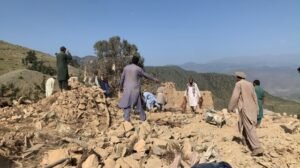
According to local Afghan officials, the Pakistani shelling used both light and heavy artillery, with mortar rounds striking civilian homes in Spin Boldak. Al Jazeera English reports confirm at least four civilian deaths in Kandahar’s Spin Boldak district, adding that the violence shattered a fragile peace and raised serious concerns about the protection of non-combatants.
Meanwhile, long-term peace negotiations have faltered. A recent round held in Saudi Arabia ended without a breakthrough, despite both sides agreeing to uphold the fragile cease-fire. Without a durable diplomatic framework, analysts warn that the Durand Line could again erupt into a larger confrontation.
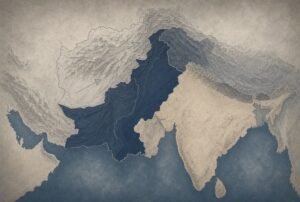
The recurring clashes come at a time when talks for a lasting peace remain elusive. Islamabad’s deep-seated fear of anti-Pakistan militant groups, combined with Kabul’s insistence on its sovereignty, has created a dangerous paradigm: the Durand Line is not just a territorial boundary but a symbol of mistrust, resistance, and unhealed wounds.
For now, both sides seem locked in a damaging cycle. Without meaningful dialogue, each exchange of fire risks fueling broader instability – both regionally and within their domestic politics. The path to peace, analysts suggest, lies not in retaliation, but in sustained diplomacy and international pressure to uphold the truce.
SS Ahmad is a freelance researcher and journalist based in, Kabul Afghanistan.
Note: The contents of the article are of sole responsibility of the author. Afghan Diaspora Network will not be responsible for any inaccurate or incorrect statement in the articles.