“Either Suffer Alone or Fight Together”: Baloch Activist Urges PTM to Join a Collective Struggle
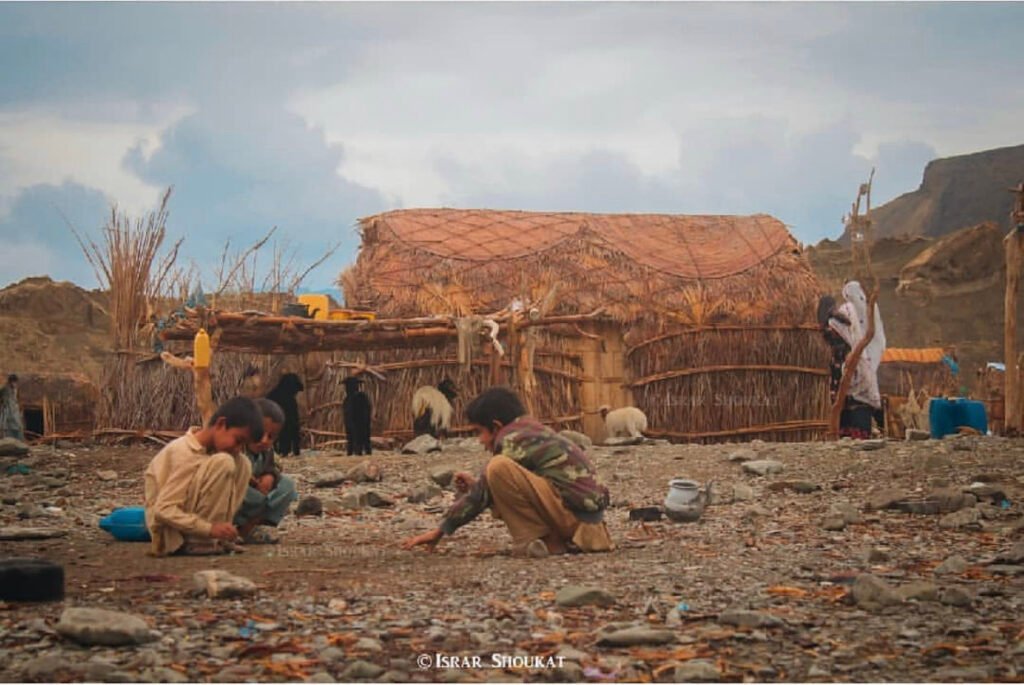
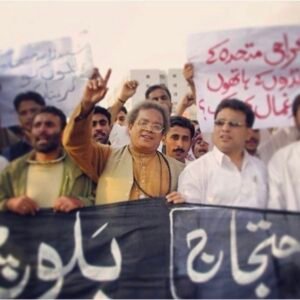
Photo provided by @Abdullah Abass/Balochistan Human Rights Council.
In a forceful appeal that reflects the growing urgency among marginalized communities in Pakistan, Baloch human rights activist Abdullah Abass has called on the Pashtun Tahafuz Movement (PTM) to abandon isolated resistance and join a broader, collective struggle for justice. Speaking during a discussion with an Afghan diaspora network, Abass framed the choice in stark terms: remain separate and suffer separately, or unite and fight collectively.
Abass, a representative of the Balochistan Human Rights Council, described a grim landscape of enforced disappearances, extrajudicial killings, and systematic repression in Balochistan. His organization, he explained, has been documenting abuses and bringing them to international platforms in an effort to pressure Pakistan to honor the human rights conventions it has signed and ratified.
“If you cannot save us, if you cannot make new laws,” he said, addressing international bodies, “at least pressure Pakistan to respect the conventions it has already committed to.”
But Abass’s message was not limited to global institutions. A significant portion of his remarks focused on the need for solidarity among communities facing similar forms of state violence. He emphasized that the Baloch movement has been in contact with PTM, a grassroots Pashtun rights movement that has mobilized against militarization, disappearances, and abuses in Pakistan’s tribal regions. For Abass, the parallels between the two struggles are unmistakable.
“The perpetrators and the actors are the same,” he said. “It’s up to us: either we remain separately and suffer separately, or we come together and fight collectively.”
His plea reflects a broader shift in rights‑based activism in Pakistan, where ethnic and regional movements have historically operated in silos, often divided by geography, political narratives, or state‑driven suspicion. Abass argues that this fragmentation only strengthens the hand of those responsible for abuses. Collective action, he insists, is not only desirable but necessary.
The call for unity also extends beyond Pakistan’s borders. Abass highlighted the role of the diaspora – Baloch, Pashtun, and Afghan – in amplifying human rights concerns on international platforms. He stressed that Pakistan, as part of the global community, is bound by international obligations and that diaspora networks can play a crucial role in mobilizing diplomatic pressure.
His message resonates at a time when both Baloch and Pashtun activists face increasing crackdowns at home. PTM leaders have been arrested, rallies disrupted, and supporters targeted.
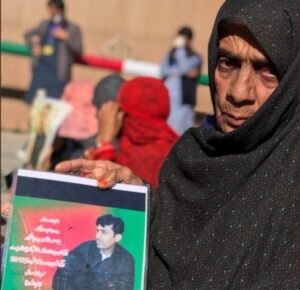
In Balochistan, families of the disappeared continue to protest, often met with indifference or hostility. Against this backdrop, Abass’s appeal for unity is both a strategic calculation and a moral argument.
Whether PTM and Baloch organizations can forge a sustained alliance remains to be seen. But Abass’s words capture a sentiment increasingly shared among activists: that isolated struggles are no longer viable in the face of entrenched repression. The choice, as he frames it, is stark but simple – solidarity or continued suffering.
His plea may mark a turning point in how Pakistan’s marginalized communities imagine their political futures, and whether they can transform shared pain into shared power.