Afghan Women in Stuttgart: A Community Finding Strength in Each Other
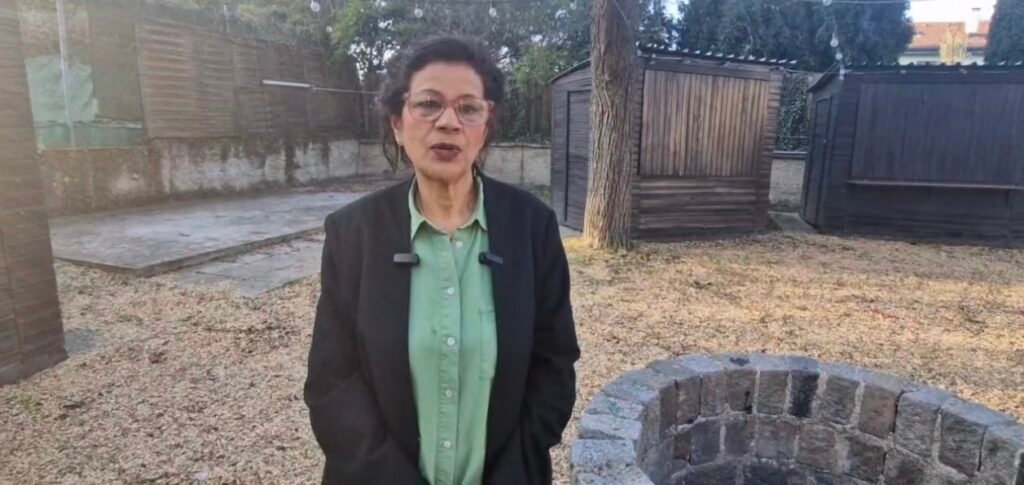
Maryam Nadri, president of Afghan Women Association in Stuttgart, Germany
By Wakeel Attock
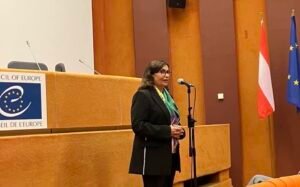
When Maryam Naderi arrived in Vienna on April 10 to attend the Afghan Cultural Association (AKIS) Women’s Conference, she carried with her not only the voice of Afghan women in Stuttgart but also the story of her own journey—from a refugee struggling with isolation to the founder of one of the most active Afghan women’s associations in Germany. The Afghan Diaspora Network (ADN) interviewed her during the event, where she spoke openly about the challenges, hopes, and resilience that shaped her path.
Naderi, who came to Germany in 2013, was once a respected chemistry and biology teacher at Kabul’s Shah Do Shamshira High School. But like many Afghan women who flee conflict, she found herself starting from zero. She recalls being placed in a small room with her 13‑year‑old son, furnished with only two metal bunk beds.
“I was a teacher back home, and suddenly I was confined to a single room, waiting to hear whether I would be accepted,” she told ADN. “I didn’t know the language, I couldn’t work, and I felt completely isolated. Slowly, I slipped into depression.”
Her early months in Germany were marked by uncertainty and emotional strain. The lack of language skills, the inability to work, and the abrupt loss of her professional identity weighed heavily on her. But a turning point came when German friends and social workers encouraged her to channel her energy into something meaningful—something that would help her regain purpose while supporting others facing similar struggles.
“They told me that even if I couldn’t return to teaching right away, I could still build something,” she said. “Back home, I had experience with unions and community groups. So with their support, I founded this association.”
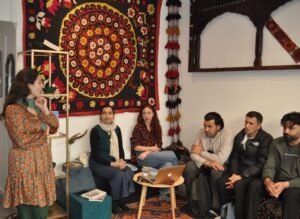
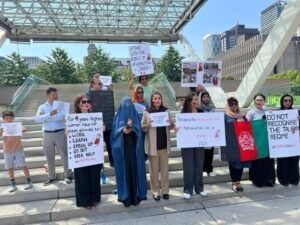
In 2020, she established the Afghan Women’s Association in Stuttgart, which has since become a vital support network for Afghan families. The association organizes annual celebrations for Eid and Nowruz, mother‑tongue language classes, cooking programs, and cultural gatherings. They also arrange family excursions to help newcomers become familiar with their surroundings and reduce the risk of isolation and depression.
“These trips help families get to know their environment,” Naderi explained. “It prevents them from feeling trapped and alone.”
Eid celebrations, she noted, carry deep emotional meaning for the community.
“In Afghanistan, Eid was full of family and tradition. Here, we rent a hall, cook local dishes, and spend time together. It’s not the same, but it brings back a sense of belonging.”
Her own struggle with the German language is a story many refugees recognize. She waited months for an official language course, feeling stuck and unable to move forward.
“I couldn’t accept that I might never work again,” she said. “So I started learning the language on my own until I was finally admitted to a formal language class. That changed everything.”
Despite her progress, returning to her former profession proved difficult. Instead, she poured her energy into building a community space where Afghan women could support one another.
“Some women help me, and I help others. That’s how we grow,” she said.
At the AKIS Women’s Conference in Vienna, Naderi found inspiration and solidarity. She praised the event for honoring successful Afghan women with the Rabi’a Balkhi Award and for showcasing poetry, music, and stories of resilience.
“I also learned that AKIS supports girls’ schools and tailoring classes in Afghanistan. That truly deserves recognition,” she said.
Reflecting on the situation of Afghan women and girls back home, her voice grew heavy.
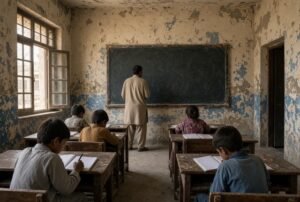
“Girls are sitting at home. Their right to education and work has been taken away. As a teacher, it breaks my heart.”
“In the diaspora, no one should feel alone,” she said. “If we support each other, we can rebuild our confidence, our identity, and our future.”
Afghan poet Wakeel Attock previously served as the director of culture for the eastern provinces of Laghman and Nooristan.
Note: The contents of the article are the sole responsibility of the author. Afghan Diaspora Network will not be responsible for any incorrect statements in the articles.