Inside Pakistan’s Culture of Illicit Arms and Impunity
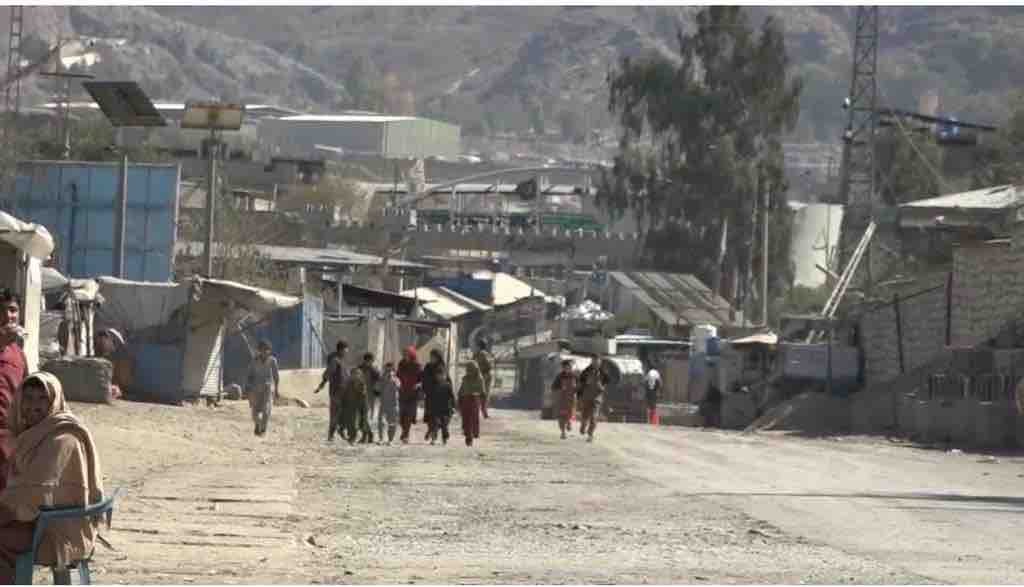
Along the Durand Line
By Fatima Chaudhary
Pakistan’s illicit gun culture is not an accidental by‑product of instability; it is the outcome of decades of conflict, permissive governance, and a deeply embedded social relationship with weapons. The country’s modern landscape of arms trafficking and illegal gun ownership sits at the intersection of geopolitics, criminal enterprise, and cultural tradition, an ecosystem where state fragility and societal norms reinforce one another, allowing the trade in small arms and light weapons to flourish.
The past two decades of militancy, suicide bombings, and attacks on security forces have created fertile ground for organized crime. As the state’s attention and resources were consumed by counterterrorism, criminal markets expanded in the shadows. Heroin trafficking surged alongside a rising domestic addiction crisis, and weapons flowed through the same routes, carried by the same networks. In 2023, Interpol’s Operation Trigger Salvo II exposed the scale of this underground economy: hundreds of firearms, components, and rounds of ammunition were seized across Pakistan, particularly in provinces bordering Afghanistan. These seizures represented only a fraction of the weapons circulating through the region.
The U.S. withdrawal from Afghanistan in 2021 added a new layer to the problem. As the Taliban seized control, they also acquired vast quantities of American‑supplied military equipment abandoned by retreating forces. Pakistan quickly became a destination for these weapons, some smuggled across porous borders, others traded through long‑established tribal networks. Although Pakistani law requires gun owners to obtain licenses, millions of firearms remain unregistered, and illegal weapons are readily available in markets, workshops, and online platforms.
Pakistan ranks among the top 25 countries in civilian gun ownership, with an estimated 22 firearms per 100 civilians according to the Small Arms Survey. Yet unlike the United States, where gun ownership is heavily commercialized, Pakistan’s weapons economy is overwhelmingly illicit. Small arms fuel the operations of criminal groups, militant outfits, and urban gangs. The arrest of a serving Khyber Pakhtunkhwa policeman in April 2024 caught smuggling small arms into Karachi illustrated how deeply entrenched these networks have become. Buyers place orders through social media, dealers in KP arrange the supply, and couriers like the arrested officer deliver weapons across provincial lines. The demand is high, and the risks are low.
In many parts of the country, particularly Khyber Pakhtunkhwa and Balochistan, carrying arms is not merely tolerated; it is woven into cultural identity. This “gun culture” is reinforced by a century‑old tradition of artisanal weapons manufacturing. Generations of craftsmen in towns like Darra Adamkhel have produced handmade copies of M16s, AK‑47s, MP5 submachine guns, and countless other models. These “Khyber Pass” firearms, often sold at a third of the price of originals, are prized by buyers who value affordability over precision. While some are made for collectors, many are intended for everyday use, feeding a domestic market that spans from tribal areas to major cities.
Alongside these informal workshops, modern private manufacturers in and around Peshawar, such as Daudson’s, Royal Arms Company, and Khyber Arms, produce commercial firearms using industrial equipment. The coexistence of formal and informal production blurs the boundaries between legal and illegal supply, making regulation even more challenging.
The state’s own policies have compounded the crisis. Pakistan’s generous distribution of gun licenses, often used as political favors or tools of patronage, has armed not only civilians but also private militias. In violation of Article 256 of the Constitution, the country is believed to host more than 500 private armies, equipped with everything from automatic rifles to mortars and anti‑aircraft guns. Nearly 70,000 prohibited‑bore licenses were issued to parliamentarians alone, while senior officials across government institutions were granted exemptions to obtain restricted weapons. These decisions have had deadly consequences: on Independence Day 2025, celebratory gunfire from such weapons killed three people and injured over a hundred in Karachi.
Transparency is another casualty. Pakistan scored just 9 out of 25 on the 2022 Small Arms Transparency Barometer, far below the global average. It provides minimal reporting on international arms transfers and has not signed the Arms Trade Treaty, leaving significant oversight gaps. This opacity creates ideal conditions for illicit trafficking to thrive.
The geography of the trade is equally complex. Darra Adamkhel remains the most iconic hub, but illegal arms markets stretch across the country. In Lahore, vegetable and fruit markets and the city’s truck depot serve as key smuggling nodes. Pakistan has also become a source of weapons for foreign militant groups: in 2021, Indian authorities arrested a Sri Lankan national involved in trafficking arms from Pakistan to revive the LTTE.
The digital age has added new dimensions. Online platforms, particularly social media, have become marketplaces for unlicensed weapons. In Rawalpindi, a man was arrested for running a Facebook page advertising firearms without authorization. Another suspect revealed that students and young people increasingly purchase weapons online, with dealers in KP shipping orders to Karachi through informal couriers and concealed routes.
Underlying all of this is a governance failure. Gun licenses are routinely used as bribes or political rewards, and provincial authorities have issued millions of prohibited and non‑prohibited bore licenses with little oversight. Data obtained under Right to Information laws shows more than 117,000 prohibited‑bore and 3.4 million non‑prohibited‑bore licenses issued, excluding records lost, destroyed, or never maintained. Meanwhile, the wealthy and influential enjoy state protection or maintain private armies, while ordinary citizens bear the brunt of violence.
Pakistan’s role as a transit point for drug trafficking further intertwines narcotics and weapons smuggling. Shared routes, shared financiers, and shared transport networks mean that arms and drugs often move together. According to the Organized Crime Index, Pakistan’s arms trafficking market worsened between 2021 and 2023, scoring 8.5 out of 10, placing it alongside countries grappling with entrenched criminal economies.
The result is a country where weapons are ubiquitous, regulation is weak, and violence is normalized. From tribal workshops to urban markets, from political patronage to online sales, Pakistan’s illicit gun culture is sustained by a web of historical, cultural, and institutional forces. Untangling it will require not only stronger laws but a fundamental shift in how the state and society understand security, authority, and the role of firearms in everyday life.
Fatima Chaudhary is a lecturer at a private university in Pakistan’s Punjab province.
Note: The contents of the article are of sole responsibility of the author. Afghan Diaspora Network will not be responsible for any inaccurate or incorrect statement in the articles.